Signs of Chimney Liner Damage Homeowners Should Know
Learn 7 warning signs of chimney liner damage, including falling flue tiles, smoke problems, moisture, and corrosion, plus when to schedule an inspection.
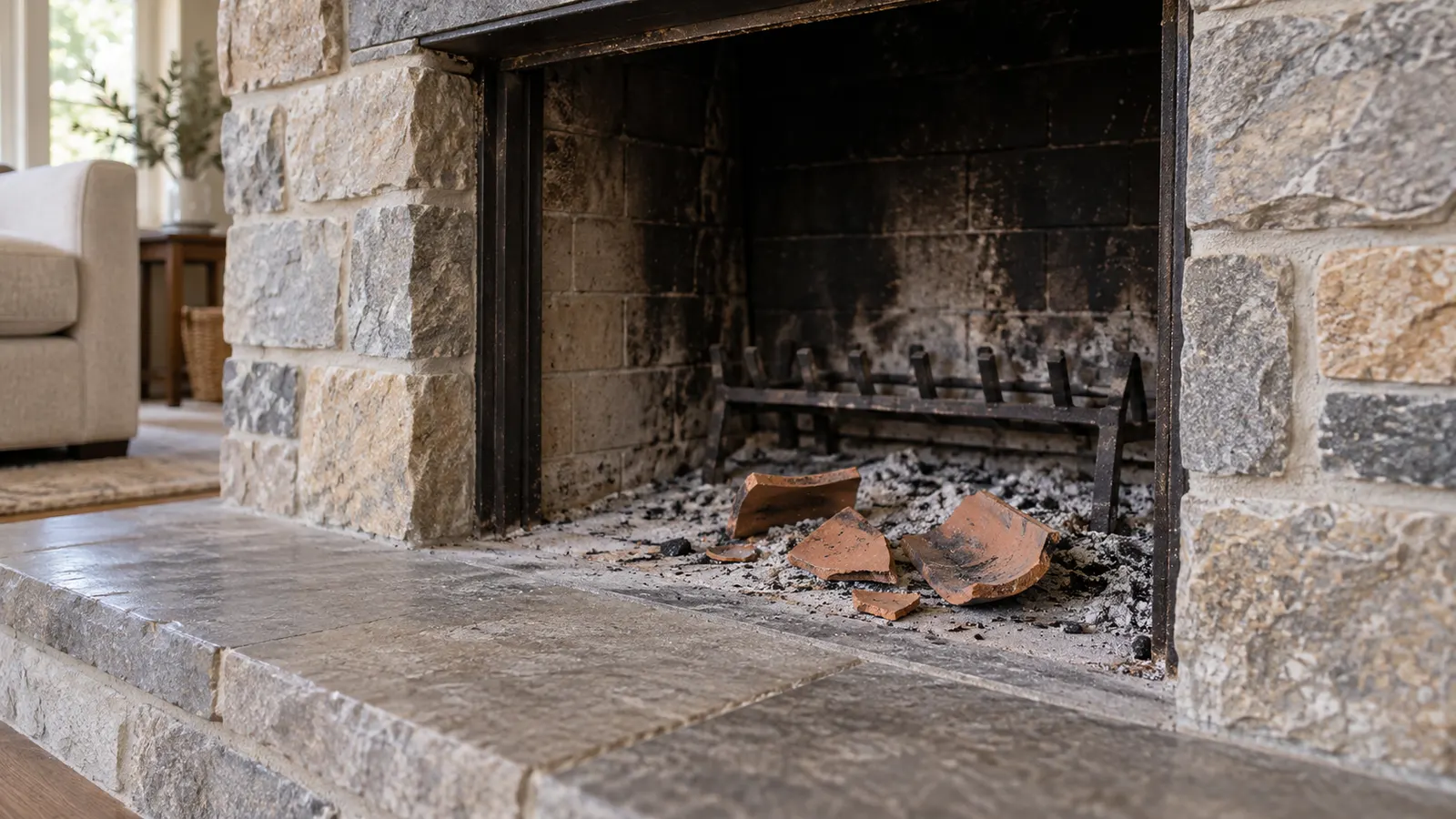
A few small pieces of reddish clay appear in your fireplace. You assume they’re bits of old mortar, sweep them away, and forget about them.
But what if those fragments came from the chimney liner?
The inside of a chimney can deteriorate without leaving an obvious mark on the fireplace opening or exterior brickwork. By the time a homeowner notices falling material, persistent smoke problems, or unusual moisture, the condition may already require professional attention.
Common signs of chimney liner damage include broken flue tile fragments, visible cracks, falling masonry debris, rust or corrosion, evidence of water intrusion, and smoke or exhaust escaping where it shouldn’t.
These warning signs don’t all confirm liner failure. Some indicate a blockage, draft problem, damaged chimney cap, or another defect.
The important distinction is that a chimney liner cannot be judged reliably from the living room alone.
Understanding what the liner does, and how its failure may appear, helps homeowners recognize problems before using a potentially unsafe fireplace.
The Hidden Barrier Inside Your Chimney
A chimney liner forms the internal passage that carries combustion products from a fireplace or connected heating appliance toward the outdoors.
It also helps contain heat and combustion gases within the venting system.
Without an appropriate, intact liner, heat and combustion products may reach parts of the chimney structure that weren’t intended to receive them.
Different chimney systems use different liner materials.
Older masonry fireplaces often contain stacked clay flue tiles. Other installations may use stainless steel liner systems, while factory-built chimneys have listed components designed to work together.
Each type has its own installation and inspection requirements.
The liner’s condition matters more than whether it looks new.
A properly functioning older liner may remain serviceable, while a newer system can develop problems following improper installation, severe overheating, or physical damage.
1. Broken Clay Pieces Are Falling Into the Fireplace
Finding fragments of clay tile or masonry inside the firebox is one of the more concerning warning signs.
Clay flue liners are commonly installed as sections joined together inside masonry chimneys.
If a tile cracks or breaks, fragments may fall into the smoke chamber or fireplace below.
These pieces can resemble reddish or tan pottery.
However, not every fragment in the fireplace comes from the liner. Deteriorated firebox materials, mortar, and other masonry components can produce similar debris.
What should you do?
Don’t throw the fragments away immediately.
Take a photograph, preserve a sample if it can be collected safely, and arrange a chimney inspection.
A technician can examine the interior passage and determine where the material originated.
If liner damage is suspected, stop using the fireplace until its condition has been evaluated.
2. Cracks or Gaps Are Visible Inside the Flue
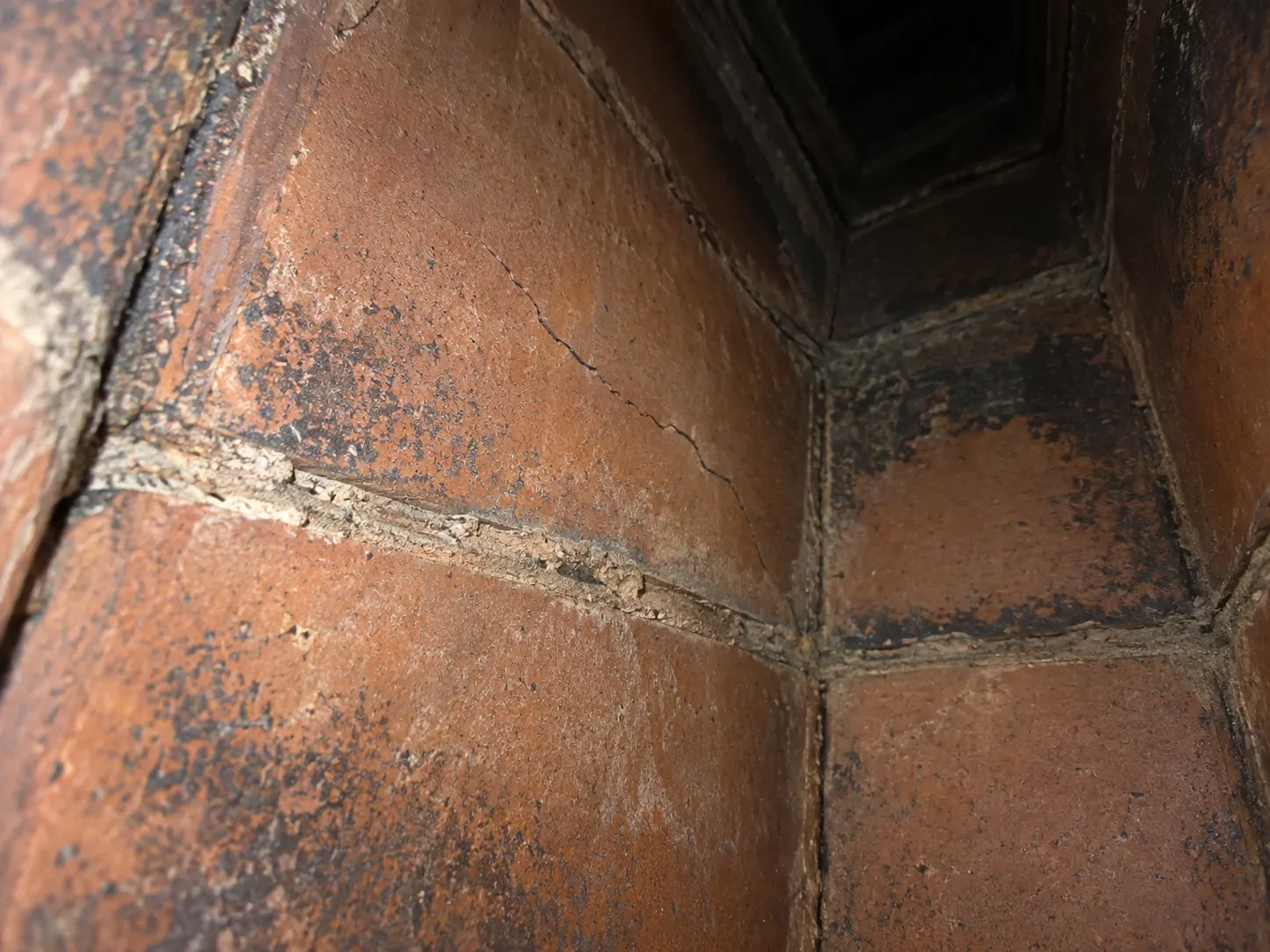
Cracked clay tiles are another important sign of potential liner failure.
The cracks may develop after severe temperature changes, chimney fires, structural movement, or prolonged deterioration.
Some are vertical. Others cross a tile or appear around the joint between sections.
A gap between liner components can be particularly concerning because it may compromise the chimney’s ability to contain combustion products.
The difficulty is visibility.
Looking upward from the firebox rarely reveals the full liner surface.
A chimney may appear intact near the bottom while damaged sections remain concealed farther up the flue.
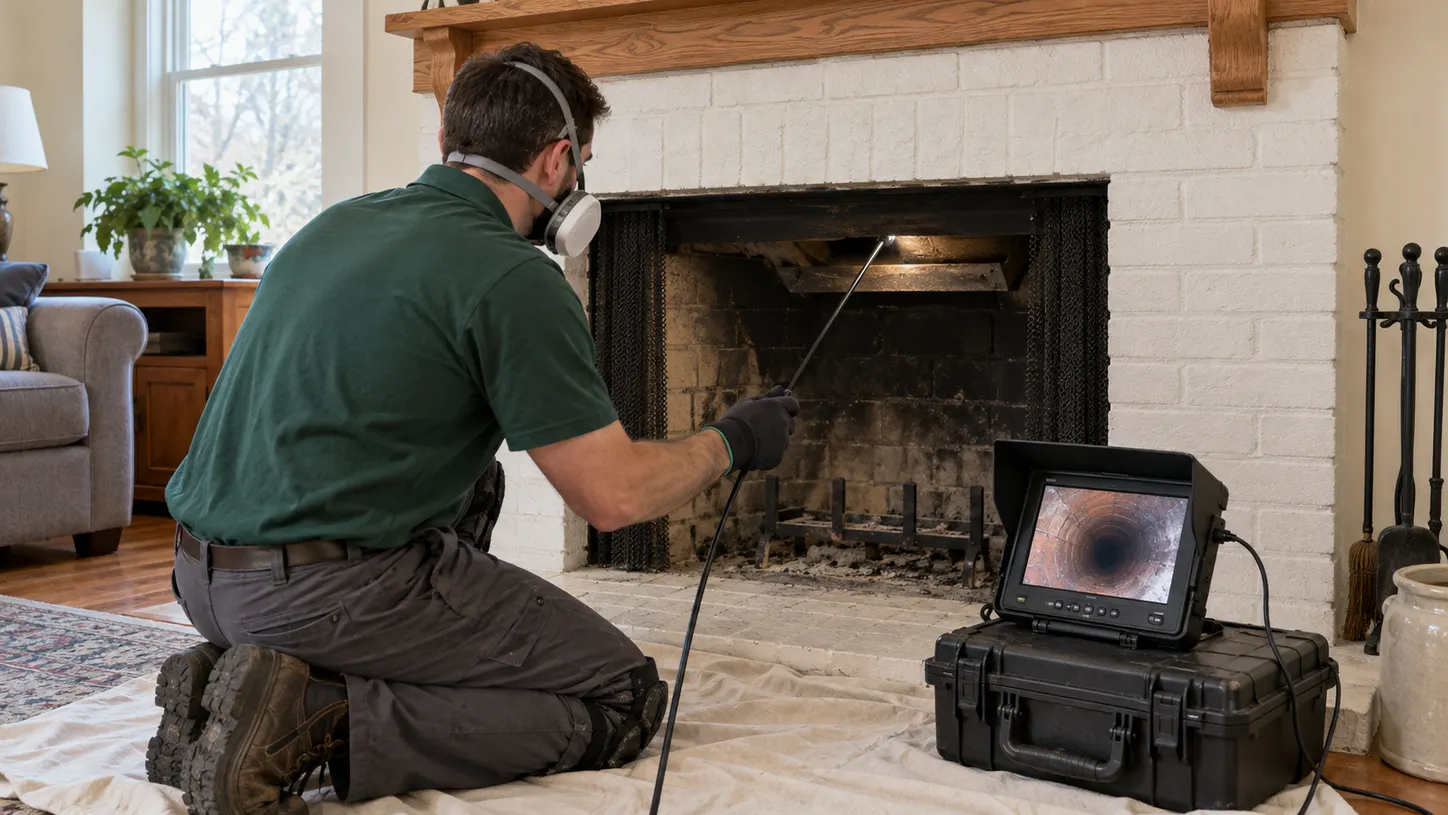
A professional camera inspection can help document the location and extent of visible damage.
The appropriate response depends on the material, defect, and applicable standards.
3. Smoke Enters the Room Instead of Traveling Upward
Smoke coming back into a living room deserves immediate attention.
A damaged liner can sometimes contribute to venting problems, particularly when broken material obstructs the passage or deterioration affects the system.
However, smoke entering the room doesn’t automatically mean the liner is cracked.
Other possible causes include:
- A closed or malfunctioning damper.
- A blocked chimney opening.
- An unsuitable flue size.
- Insufficient combustion air.
- Pressure differences inside the home.
- Problems with fireplace operation or design.
Because several causes can overlap, simply cleaning the chimney may not resolve the issue.
If smoke spills into the room, stop using the fireplace and arrange an appropriate evaluation.
If a carbon monoxide alarm sounds, or occupants develop symptoms consistent with exposure, leave the building immediately and contact emergency services.
Carbon monoxide cannot be reliably detected by smell.
4. Rust Appears Around the Damper or Flue Components
Rust inside a fireplace may point to moisture entering the chimney system.
You might notice reddish staining on the damper, corrosion on accessible metal components, or deterioration around the chimney opening.
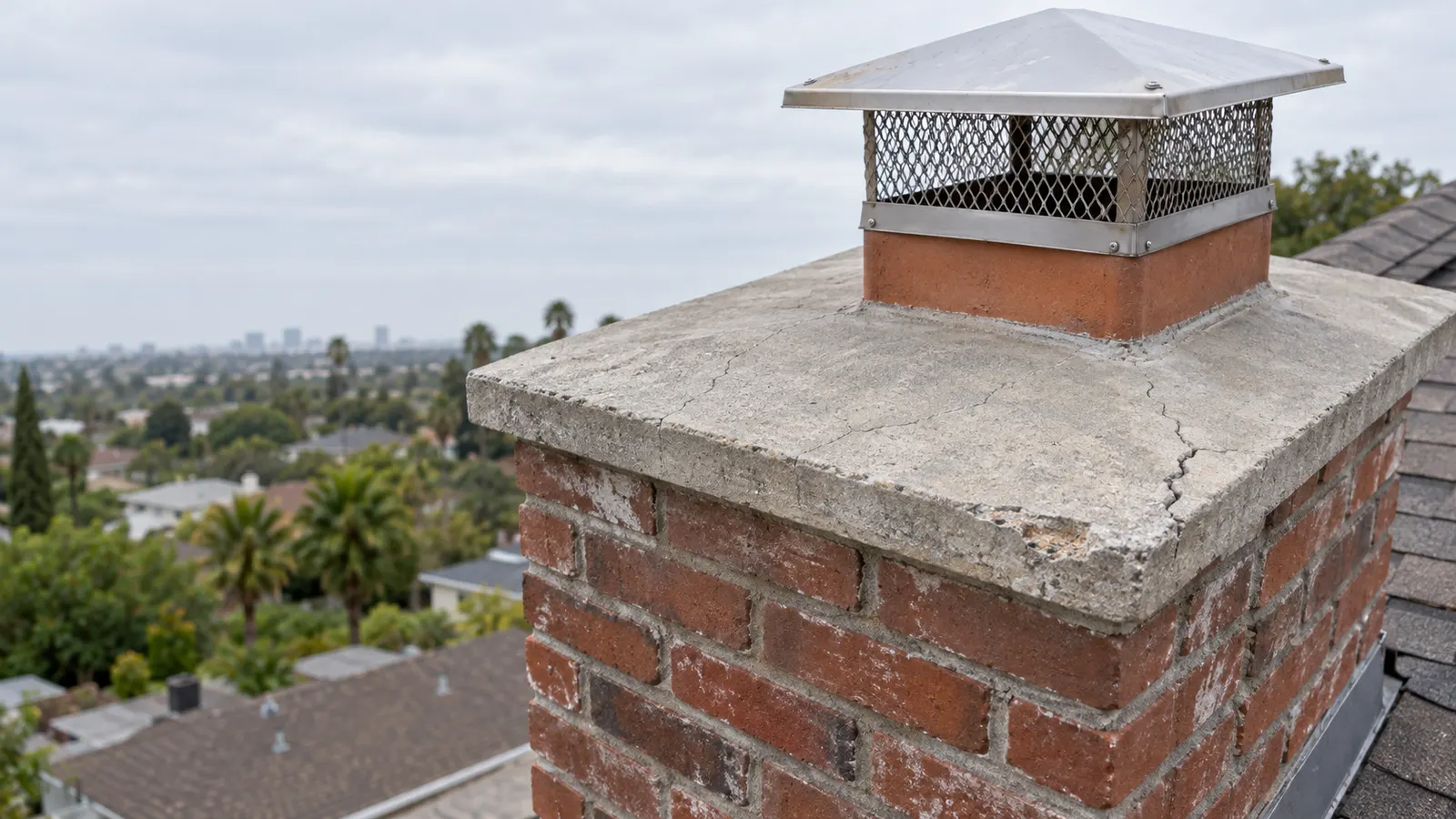
Water can enter through a damaged cap, defective crown, flashing problems, or deteriorated masonry.
For metal liners, corrosion can also develop from moisture and acidic condensate associated with certain combustion conditions.
Rust on the damper doesn’t prove that a stainless steel liner has failed.
It does, however, justify investigating the moisture source and inspecting nearby components.
Severe metal corrosion, perforation, separated joints, or other deterioration may compromise the liner’s intended function.
The correct repair depends on identifying which component is damaged and why.
5. Water Stains or Dampness Keep Returning
Water is a major contributor to chimney deterioration.
A fireplace may develop stains, damp patches, white mineral deposits, or an unpleasant odor following rainfall.
These symptoms can indicate moisture moving through the chimney structure.
The liner may be affected, but the original problem could be elsewhere.
For example, a cracked chimney crown can allow water to enter masonry around the flue. Failed flashing can introduce water near the roofline, while an inadequate cap may expose the flue opening to rainfall.
Repeated moisture exposure can damage mortar joints and contribute to liner deterioration.
A professional should investigate both the visible leak and the condition of the interior venting system.
Repairing the water entry point is essential, even when the liner also requires attention.
Homeowners with recurring stains can review SoCal Green Air & Chimney’s chimney leak repair service to understand why identifying the source matters.
6. The Chimney Has Experienced a Fire or Severe Overheating
A chimney fire can damage the liner even when the exterior masonry appears normal.
High temperatures may crack clay tiles, damage mortar joints, or affect metal chimney components.
Some chimney fires are loud and obvious.
Others may go unnoticed until a later inspection reveals damage.
Possible evidence includes unusual creosote deposits, warped metal components, cracked flue tiles, or heat damage near the chimney termination.
If you suspect an active chimney fire, evacuate and call emergency services.
After a chimney fire, do not use the system again until a qualified chimney professional has evaluated it.
The Chimney Safety Institute of America explains that damage may be hidden from ordinary view and recommends an internal video inspection after a chimney fire.
7. The Chimney Develops Unusual Odors or Debris
A strong smoky or unpleasant chimney odor can indicate several conditions.
Creosote deposits, moisture, animal nesting, and venting problems can all contribute.
A damaged liner may be part of the explanation, particularly if deteriorated surfaces are trapping deposits or allowing moisture into the structure.
But odor alone is not a reliable liner diagnosis.
The same applies to black flakes or debris falling into the firebox.
Those materials may be soot or creosote rather than pieces of the liner.
A professional inspection can distinguish ordinary deposits from structural deterioration and identify whether cleaning, repair, or further testing is necessary.
Which Warning Signs Need Immediate Attention?
Not every chimney concern carries the same urgency.
The following comparison helps homeowners decide what to do next.
| What you observe | Possible explanation | Recommended response |
|---|---|---|
| Broken clay fragments | Damaged flue tile or masonry | Stop using fireplace; arrange inspection |
| Smoke entering the room | Venting failure or obstruction | Stop use; investigate promptly |
| Suspected chimney fire | Possible hidden thermal damage | Emergency response if active; professional evaluation afterward |
| Rust around damper | Moisture intrusion or corrosion | Investigate source and inspect system |
| Recurring water stains | Crown, flashing, cap, or masonry defect | Arrange leak diagnosis |
| Persistent chimney odor | Deposits, moisture, or venting issue | Schedule inspection |
| Visible liner cracks | Potential loss of liner integrity | Stop use until assessed |
These actions are precautionary. The inspection determines the actual condition.
Why Chimney Liners Deteriorate
Liner damage rarely has one universal cause.
The conditions inside a chimney vary according to the fuel burned, appliance type, chimney design, maintenance history, and exposure to moisture.
Repeated Heating and Cooling
Combustion heats the liner, while periods of nonuse allow it to cool.
Normal temperature changes are part of chimney operation, but severe thermal stress or an actual chimney fire can produce cracking and other damage.
Water Penetration
Moisture can enter through defective chimney components and deteriorate mortar or metal surfaces.
Addressing the water source is important because repairing the liner alone may not prevent further damage.
Corrosive Combustion Products
Some venting systems experience corrosive condensate.
This is especially relevant when evaluating chimneys serving gas or other fuel-burning appliances.
The liner material and sizing must suit the connected equipment.
Structural Movement
Movement in the chimney structure can affect joints and liner sections.
In Southern California, seismic activity is one factor that may warrant inspection following a significant event.
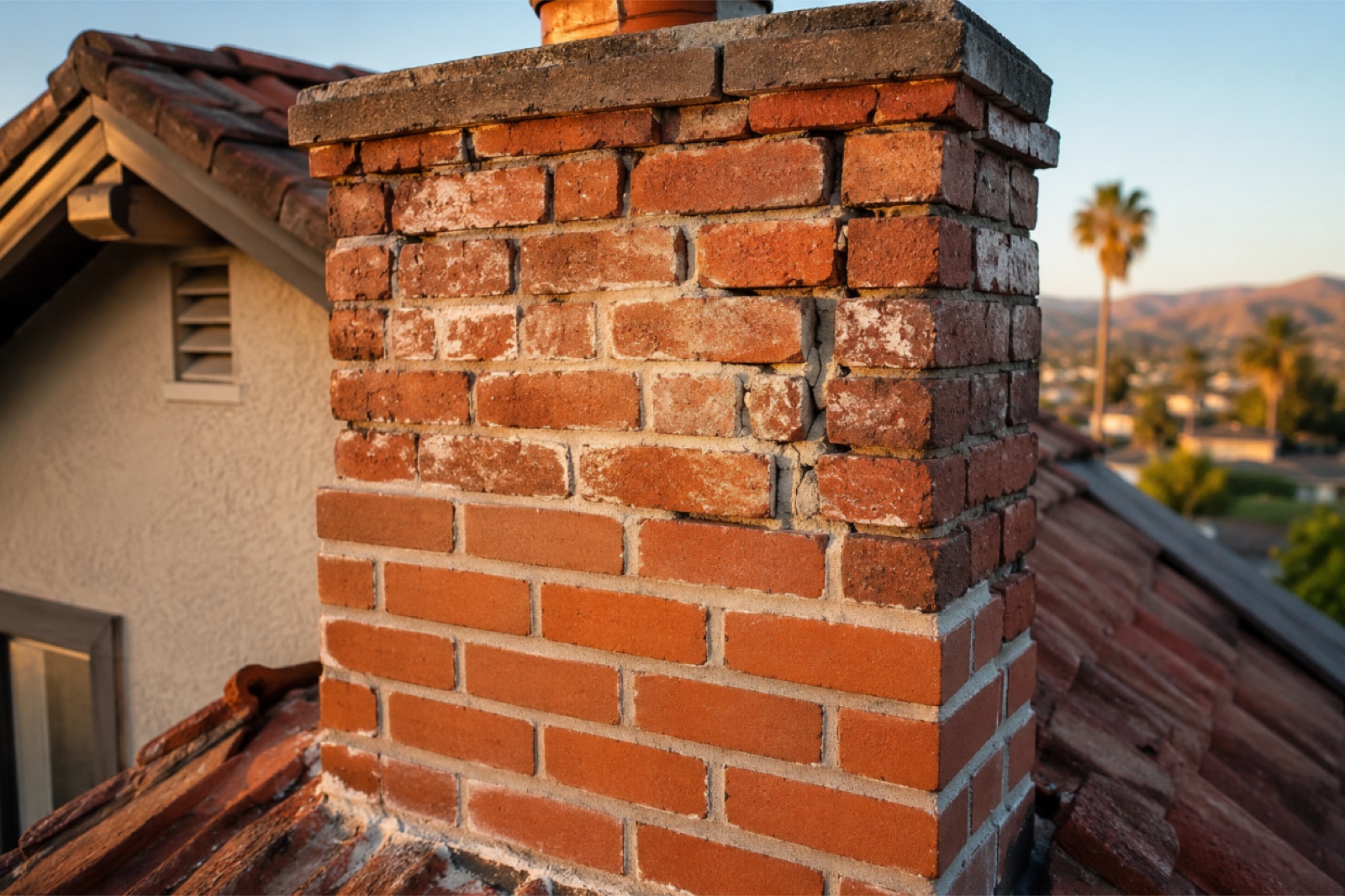
However, a crack in exterior masonry doesn’t automatically prove the interior liner is damaged.
Clay, Stainless Steel, and Factory-Built Systems: What Changes?
The material matters because damage doesn’t look identical in every chimney.
Clay tile liners may develop cracks, displaced joints, or broken sections.
Stainless steel liners may show corrosion, separation, deformation, or other material deterioration.
Factory-built chimney systems use components listed for a particular installation. Damaged sections may require replacement according to the manufacturer’s instructions rather than an improvised repair.
Homeowners should not assume that a repair method suitable for masonry clay tiles will work for a metal liner.
Likewise, a liner serving a wood-burning fireplace may have different requirements from one serving a gas appliance.
A qualified technician should identify the system before recommending corrective work.
Can Chimney Cleaning Reveal Liner Damage?
Cleaning and inspection serve different purposes.
Chimney cleaning removes soot, creosote, and other deposits when necessary.
An inspection evaluates the condition and suitability of the chimney and venting system.
Removing deposits may make some defects easier to see, but cleaning doesn’t repair a cracked flue tile or corroded liner.
A chimney that looks clean can still have structural problems.
SoCal Green Air & Chimney describes camera assessment and written findings as part of its chimney flue cleaning and maintenance service.
If liner damage is suspected, ask specifically how the flue interior will be evaluated and documented.
What Happens During a Chimney Liner Inspection?
A qualified chimney professional should determine the type of system, its connected appliance, and the reason for the inspection.
The process may include examining the fireplace, accessible chimney components, flue opening, and visible exterior condition.
An internal camera examination can reveal defects that are difficult to identify from either end of the chimney.
The inspector may look for:
- Cracked or displaced clay tiles.
- Open or deteriorated mortar joints.
- Corrosion or deformation in metal components.
- Missing or damaged liner sections.
- Obstructions and accumulated debris.
- Signs of water entry or previous overheating.
A more comprehensive inspection may be appropriate after a chimney fire, certain appliance changes, or other events affecting the system.
The final report should explain the observed conditions, inspection limitations, and recommended next steps.
What Should You Ask When Damage Is Found?
A recommendation to repair or replace a liner should be supported by specific findings.
Ask the inspector to show photographs or video of the affected area whenever available.
Then clarify several points.
- Which liner material is installed?
- Where exactly is the defect located?
- Does the damage compromise continued use?
- Is the defect isolated or widespread?
- What repair methods are suitable for this system?
- Are additional chimney components affected?
- What inspection or verification will follow the work?
A written explanation helps you compare proposals without relying on vague descriptions such as “the chimney is old.”
For confirmed liner deterioration, SoCal Green Air & Chimney lists chimney liner repair and replacement among its chimney repair services.
Explore Chimney Liner Repair →
Does a Damaged Liner Always Mean Replacing the Entire Chimney?
No.
The chimney structure and its liner are related but distinct components.
Depending on the system and damage, an approved repair or relining method may restore the flue without rebuilding the entire masonry chimney.
In other situations, extensive deterioration or structural damage may require additional work.
The decision must follow an assessment of both the liner and surrounding chimney.
It should not be based on one photograph of a cracked tile or the age of the fireplace alone.
Chimney Liner Concerns in Los Angeles Homes
Los Angeles homes contain different fireplace and chimney configurations, from older masonry structures to factory-built systems and gas appliance installations.
That variety matters when evaluating liner condition.
An older masonry chimney may have clay tile sections that require detailed examination.
A gas appliance connected to a masonry chimney may raise different questions about vent sizing, liner compatibility, and condensation.
Weather exposure and previous modifications can also affect the system.
For properties that experience significant seismic movement, a chimney inspection may be appropriate even when the fireplace opening looks unchanged.
The correct evaluation depends on the actual installation, not a generalized assumption about Los Angeles homes.
Frequently Asked Questions
How do I know if my chimney liner is cracked?
Broken clay fragments or visible cracks may suggest damage, but a professional internal inspection is usually needed to confirm the liner’s condition.
Can I use my fireplace with a damaged chimney liner?
Do not use a fireplace when liner damage is suspected until a qualified professional determines whether the system is suitable for continued operation.
Can water damage a chimney liner?
Yes. Moisture can contribute to deterioration of liner materials, mortar joints, and surrounding chimney components.
Will chimney sweeping fix a cracked liner?
No. Sweeping removes deposits. Physical liner defects require an appropriate repair, relining, or replacement decision.
Can a chimney liner fail without visible warning signs?
Yes. Some cracks, open joints, and corrosion remain hidden inside the flue and are discovered only during inspection.
Don’t Judge Chimney Safety by the Fireplace Opening
A fireplace can look clean and well maintained while the liner above it has developed hidden damage.
Falling clay fragments, smoke problems, corrosion, and recurring moisture are reasons to investigate rather than assume the system is safe.
If you’ve noticed possible chimney liner damage, arrange an inspection before using the fireplace again.
SoCal Green Air & Chimney provides chimney repair services in Los Angeles, including liner assessment and repair options.
Call (888) 280-2285 to discuss the warning signs and request a professional evaluation.