Professional Fireplace Cleaning Services
Fireplace Cleaning Service Los Angeles
Gas fireplace or wood-burning, your firebox, smoke chamber, and venting system collect residue every time you use it. CSIA-certified technicians clean every component completely HEPA-filtered vacuums, no mess, flat-rate pricing across Los Angeles.
The Problem
What Builds Up Inside Your Fireplace
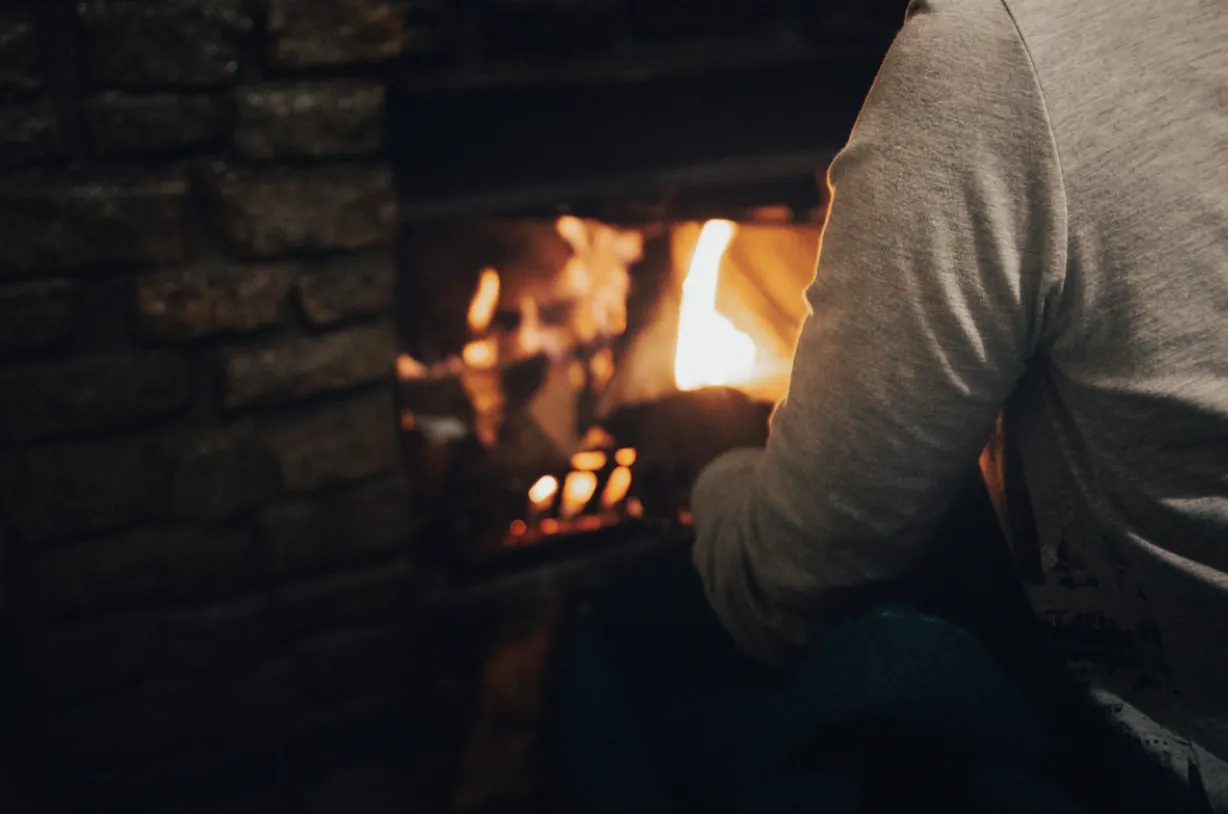
Every burn cycle leaves deposits behind. In wood-burning fireplaces, soot and creosote coat the firebox walls, smoke chamber, and flue. In gas fireplaces, dust, spider webs, and corrosion accumulate inside burner ports and venting components. Los Angeles homes face additional pressure from dry Santa Ana winds pushing debris into open flues, and coastal salt air accelerating corrosion on metal components and gas burner assemblies.
- ⚠ Creosote & soot buildup in the firebox and smoke chamber
- ⚠ Clogged burner ports in gas log sets and direct-vent systems
- ⚠ Ash accumulation restricting firebox airflow
- ⚠ Debris, nesting material & dust in the venting system
- ⚠ Soot-stained glass doors and damper corrosion
The Solution
A Complete Fireplace Cleaning Every Component, Every Time
Our CSIA-certified technicians clean the full fireplace system firebox, glass doors, damper, smoke shelf, smoke chamber, and venting components. Gas systems receive specialized burner and log set cleaning. Wood-burning systems get full creosote extraction. HEPA-filtered vacuums run throughout, keeping soot fully contained.
Get Free Estimate →Benefits
Why Homeowners Choose This Service
Safer Operation
Creosote, ash, and blocked burner ports are the leading causes of fireplace fires and carbon monoxide incidents. We eliminate both risks in one visit.
Better Heat Output
A clean firebox and clear venting system drafts properly wood fires burn hotter and gas flames operate at full rated efficiency.
Healthier Indoor Air
Soot and combustion residue migrate through HVAC returns. Cleaning the source eliminates what's circulating through your home.
Zero Mess, Guaranteed
Drop cloths, shoe covers, and HEPA containment from start to finish. Your living room looks exactly as we found it.
Our Process
What to Expect, Step by Step
Full System Inspection & Setup
We inspect the firebox, damper, smoke shelf, smoke chamber, and venting system before touching anything. Drop cloths and HEPA containment are placed throughout the work area.
Firebox & Glass Door Cleaning
The firebox interior is hand-cleaned to remove ash, soot, and creosote deposits. Glass doors are cleaned using professional soot-dissolving solution not household products that leave streaks.
Smoke Chamber & Damper Service
The smoke shelf and smoke chamber are brushed and vacuumed. The damper is inspected for corrosion, cleaned, and tested for proper seal and operation.
Venting & Draft Verification
For wood-burning systems, we clear the flue and confirm safe draft. For gas systems, we clean burner ports, inspect the log set, and test ignition and venting performance before we leave.
What It Means
Professional Fireplace Cleaning for Safer, More Efficient Homes
Fireplace cleaning is not a single task it's a systematic service covering every component of your heating system. The firebox, smoke chamber, damper, flue, and venting all require attention. Each component fails independently and contributes to different hazards when neglected.
Wood-burning fireplaces accumulate creosote in three progressive stages. Stage-1 is a fine, dusty film. Stage-2 is flaky and crunchy harder to remove. Stage-3 is a dense, glossy glaze that's highly flammable and requires chemical treatment alongside mechanical brushing. Most homeowners can't identify which stage they're at without a camera inspection.
Gas fireplaces present a different set of issues. Dust and debris clog burner ports, reducing flame height and heating efficiency. Spider webs in gas lines are a documented ignition hazard. Corrosion on thermopile connectors causes intermittent ignition failures. A proper gas fireplace cleaning service addresses all of it not just the visible surfaces.
Across Los Angeles, from Craftsman bungalows in Pasadena to hillside homes in Silver Lake and newer builds in the San Fernando Valley fireplace systems vary significantly. Our technicians are trained on masonry, factory-built, gas insert, and direct-vent configurations, so the right process is applied to your specific system every time.
Warning Signs
Is Your Fireplace Telling You Something?
Tap any sign to learn what it means and what to do next.
! Smoke entering the living space ⌄
If smoke rolls back into the room when the damper is open, the flue is blocked or restricted. This is a carbon monoxide risk stop using the fireplace and call for service immediately.
! Persistent burning smell without a fire ⌄
A smoke odor when the fireplace isn't in use signals creosote saturation. In humid weather or during Santa Ana wind events, this smell intensifies as moisture activates the residue.
! Gas fireplace won't ignite or holds a weak flame ⌄
Clogged burner ports or a dirty thermopile are usually responsible. This is a maintenance issue, not a gas supply failure and it's resolved during a standard gas fireplace cleaning.
! Visible soot above the firebox opening ⌄
Dark streaks on the mantle or surrounding wall indicate smoke is escaping the firebox instead of drafting up. The damper may be warped, the flue blocked, or the smoke chamber caked with deposits.
! White residue on the firebox interior ⌄
Efflorescence a white, chalky deposit forms when moisture penetrates masonry. It signals water intrusion that will accelerate liner damage if left unaddressed alongside a cleaning.
! Reduced heat despite normal use ⌄
If your fireplace produces noticeably less heat than it used to, restricted airflow is the likely cause. Creosote or ash buildup limits combustion efficiency and reduces draft strength.
Deep Dive
Everything You Should Know
Warning Signs
Warning Signs You Need Immediate Fireplace Cleaning
Most fireplace problems don't announce themselves dramatically. They build quietly a slightly smokier fire, a faint smell, a flame that seems less vigorous than last season. By the time smoke is entering the room or a gas system fails to ignite reliably, the system has typically been degrading for months. Early intervention costs far less than delayed repairs. A dirty damper becomes a warped damper. A clogged burner port becomes a failed gas valve. Catching the signs early and scheduling a professional cleaning before problems compound is what separates routine maintenance from expensive remediation.
Key Points
- ✓ Smoke entering the room when the damper is open
- ✓ Strong smoky odors without an active fire
- ✓ Gas fireplace ignition failure or weak flame
- ✓ Visible soot stains on the mantle or walls
- ✓ Reduced heat output from wood or gas systems
- ✓ White efflorescence on masonry surfaces
Benefits
The Real Benefits of Regular Fireplace Cleaning
The safety case for annual fireplace cleaning is well established but the efficiency argument is equally compelling. A firebox cleared of ash accumulation allows proper air supply to the fire bed, producing stronger combustion and more radiant heat per log. For gas systems, clean burner ports restore the full BTU output the appliance was rated for at installation. Beyond performance, regular cleaning extends the life of expensive components: dampers, flue liners, gas log sets, and fireboxes all degrade faster when exposed to continuous chemical corrosion from trapped combustion byproducts. One annual cleaning protects years of component life.
Key Points
- ✓ Eliminates creosote fire hazard at all stages
- ✓ Restores full BTU output in gas systems
- ✓ Improves wood fire combustion efficiency
- ✓ Prevents carbon monoxide from entering living areas
- ✓ Extends damper, liner, and firebox service life
- ✓ Removes indoor air pollutants at the source
Maintenance
How to Keep Your Fireplace Cleaner Between Services
For wood-burning systems, fuel selection is the single most impactful maintenance decision. Seasoned hardwood oak, almond, and walnut are common throughout Southern California burns at higher temperatures and produces a fraction of the creosote that green or unseasoned wood generates. Slow, smoldering fires are the primary driver of stage-2 and stage-3 buildup; keeping fires well-ventilated and burning hot dramatically slows accumulation. For gas systems, the best between-service habit is keeping the glass doors clean and closed when not in use this prevents dust infiltration into burner ports that causes ignition problems over time.
Key Points
- ✓ Burn only dry, seasoned hardwood (oak, almond, walnut)
- ✓ Never burn trash, cardboard, or treated lumber
- ✓ Keep gas fireplace glass doors closed when not in use
- ✓ Clear ash from the firebox when it accumulates above 1 inch
- ✓ Install a quality chimney cap to block debris and animals
- ✓ Schedule annual professional cleaning regardless of usage frequency
What's Included
A Complete Service, No Add-On Surprises
Every visit covers your full fireplace system. One flat rate no upsells discovered after we arrive, no fees added for components we should have cleaned in the first place.
- ✓ Full firebox inspection & cleaning
- ✓ Smoke chamber & smoke shelf cleaning
- ✓ Damper inspection & operation check
- ✓ Glass door cleaning (soot & residue removal)
- ✓ Gas burner port cleaning (gas systems)
- ✓ Log set inspection & repositioning (gas systems)
- ✓ Ash & debris removal
- ✓ HEPA vacuum containment throughout
- ✓ Draft performance verification
- ✓ Safety check & written findings
15+ Years Serving Southern California Homeowners
Our Promise
You'll Always Know What You're Paying Before We Start
Written estimate before any work begins. Honest findings explained clearly. No pressure to add services you didn't ask for. If a problem returns after our service, we return to resolve it at no charge.
CSIA-Certified Technicians
Every fireplace cleaning is performed by a certified, insured professional. Gas and wood systems both handled correctly.
Written Estimates
You see the full scope and price before we begin. What we quote is what you pay.
Same-Day Scheduling
Appointments available across Los Angeles and surrounding communities. 24/7 emergency response for urgent situations.
Workmanship Guarantee
Every cleaning is backed by our service guarantee. If the same issue returns, so do we.
FAQs
Quick answers from our techs.
Still have a question? Call us, we answer the phone, day or night.
Call (888) 280-2285 →How often should I have my fireplace cleaned?
Annual cleaning is recommended for any fireplace used regularly. Gas fireplaces should be inspected and cleaned once per year. Wood-burning fireplaces may need cleaning more frequently when 1/8 inch of creosote has accumulated or after every cord of wood burned.
Do you clean both gas and wood-burning fireplaces?
Yes. We service gas log sets, direct-vent systems, B-vent systems, masonry wood-burning fireplaces, and factory-built units. Each type receives the appropriate cleaning protocol for its configuration.
Is the cleaning process messy?
No. We lay drop cloths, wear shoe covers, and run HEPA-filtered vacuums throughout the entire service. Soot and ash are fully contained your living room stays exactly as we found it.
What's included in a gas fireplace cleaning?
Gas fireplace cleaning includes burner port cleaning, log set inspection and repositioning, glass door cleaning, damper check, and a venting and ignition performance test. We confirm the system is combusting and venting safely before we leave.
Are your technicians certified?
Yes. Our technicians are CSIA-certified, fully insured, and background-checked. Every job is backed by our workmanship guarantee.
Service Areas
Air Duct & Chimney Services Across Los Angeles County
SoCal Green Air Duct & Chimney provides air duct cleaning, chimney sweeping, dryer vent cleaning, and indoor air quality services throughout Los Angeles County. Our certified technicians serve residential and commercial properties across these communities and beyond.
Ready for a Safer, Cleaner Fireplace?
Book a certified cleaning or free estimate today most appointments available within 48 hours across Los Angeles.