Professional Chimney Repair Service
Chimney Repair Service Los Angeles
A chimney that looks fine from the living room can have cracked flue tiles, failed flashing, deteriorating mortar joints, or a damaged crown actively letting water into your home's structure. Most chimney damage in Los Angeles isn't dramatic, it builds quietly across seasons until a water stain on the ceiling, smoke entering the room, or a failed home inspection makes it undeniable. Our CSIA-certified chimney repair contractors diagnose the actual problem first, provide a written estimate before touching anything, and complete repairs using materials rated for the specific component being fixed. No guesswork. No upsells. Flat-rate pricing.
The Problem
Why Chimneys Deteriorate and What Goes Wrong First
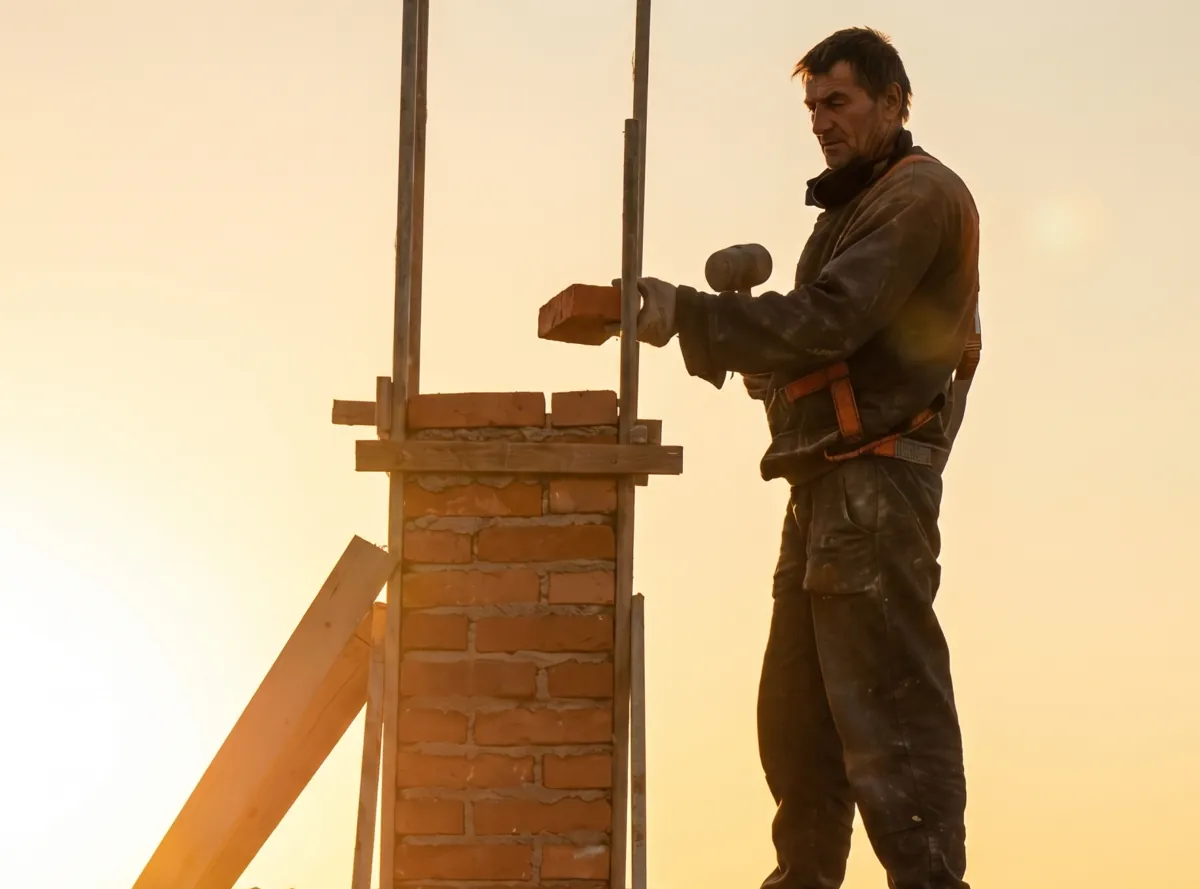
Chimneys in Los Angeles face a specific set of stressors that accelerate deterioration faster than many homeowners expect. The region's seismic activity, even minor earthquakes rarely felt inside the house, creates micro-fractures in mortar joints and flue tile connections that widen with every subsequent thermal expansion cycle. Coastal moisture from Santa Monica through the South Bay works on masonry year-round, penetrating hairline cracks and accelerating spalling. And the mild climate that leads many homeowners to use their fireplace only a handful of times per year doesn't slow the external weathering of the crown, flashing, and chimney cap, which are exposed to sun, wind, and seasonal temperature changes regardless of whether the fireplace is used.
- ⚠ Cracked or spalling mortar joints, water penetration accelerates structural deterioration
- ⚠ Failed chimney flashing, the leading cause of chimney-related roof leaks in Los Angeles
- ⚠ Cracked chimney crown, allows water to enter the flue system directly from above
- ⚠ Damaged or missing chimney cap, exposes the flue to rain, debris, and animal nesting
- ⚠ Cracked or deteriorating flue liner tiles, fire and carbon monoxide pathway into the home structure
- ⚠ Earthquake damage, hidden mortar fractures and liner displacement from seismic movement
The Solution
Camera Inspection First, Written Estimate Before Any Repair Begins
Every chimney repair service starts with a camera inspection of the flue interior and a physical assessment of every accessible exterior component, crown, flashing, cap, mortar joints, and masonry. We document what we find, explain what it means, and provide a written repair estimate before any work begins. The scope of a chimney repair service varies significantly by component and severity, and the only way to price it accurately is to see what's actually there. We don't quote repairs over the phone or begin work based on a visible symptom alone.
Get Free Estimate →Benefits
Why Homeowners Choose SoCal Green for Chimney Repair
Diagnosis Before Repair, Every Time
A water stain on the ceiling near the fireplace has multiple possible sources. A camera inspection and exterior assessment identifies the actual cause, so the repair addresses the real problem, not the most visible symptom.
Written Estimate Before Work Begins
You see the full repair scope and price before we touch your chimney. Chimney repair cost depends on component, material, and severity, and you deserve a clear number before committing to any of it.
CSIA-Certified Repair Contractors
Every repair is performed by certified, insured chimney professionals. Not general contractors who occasionally do chimney work, technicians trained specifically in chimney system repair and NFPA compliance.
Repairs That Last
We use materials rated for each specific repair, crown repair mortar, stainless steel flashing, listed flue liner systems, and proper-weight chimney caps. The repair holds because the right material was used in the first place.
Our Process
What to Expect, Step by Step
Full System Inspection, Interior Camera + Exterior Assessment
We begin with a camera inspection of the full flue interior, documenting liner condition, mortar joint integrity, and any displacement from the firebox to the cap. Simultaneously, we assess every accessible exterior component: the crown, flashing at the roofline, the cap, and the visible masonry. This dual inspection ensures the repair scope is complete, not limited to what's visible from ground level or the firebox opening.
Written Findings & Repair Estimate
After inspection, we document every identified issue with its location, severity, and recommended repair approach. You receive a written estimate that itemizes each repair, what it is, why it's needed, and what it costs. Priority items that present immediate safety or water damage risk are identified separately from maintenance items that can be scheduled.
Repair Execution, Component by Component
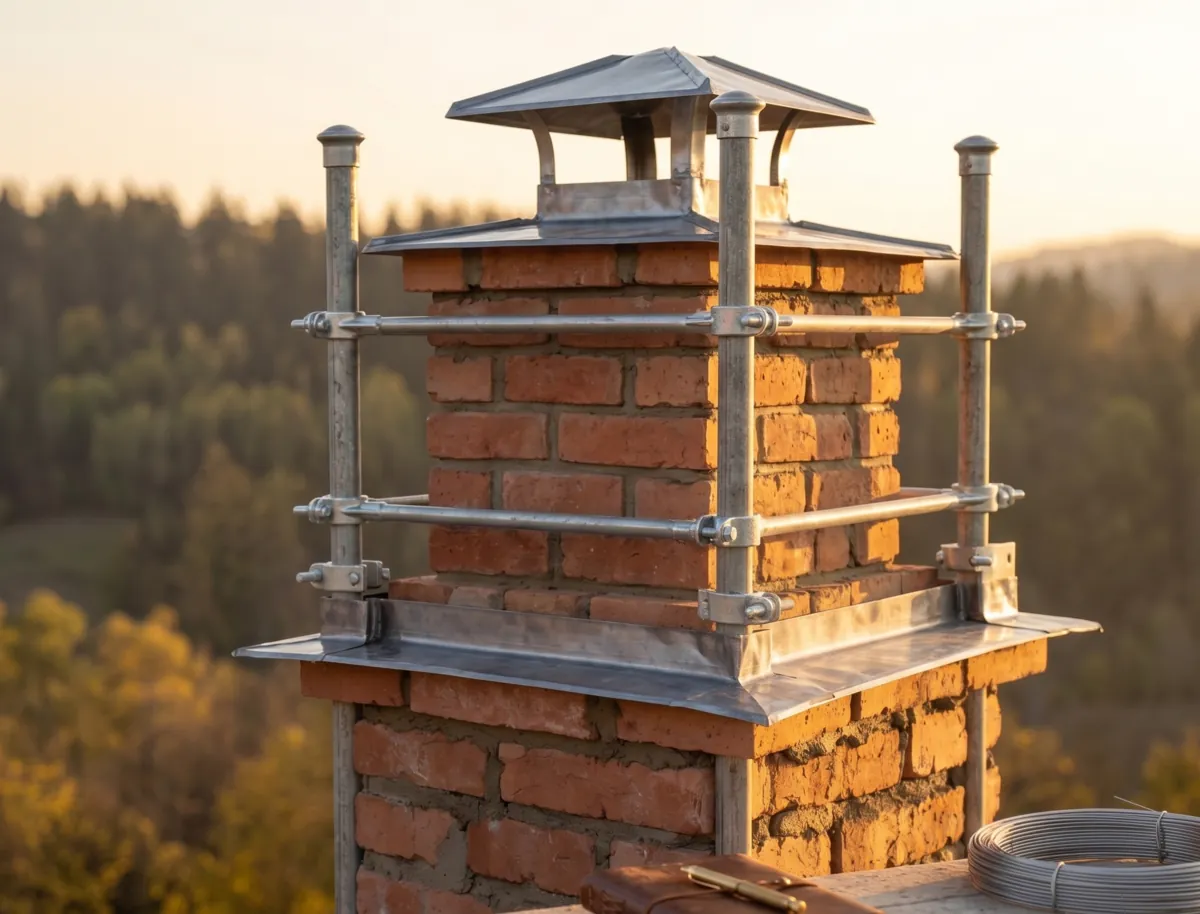
Repairs are performed using materials appropriate to each component: hydraulic mortar for crown crack sealing, purpose-made crown coating for full crown resurfacing, stainless steel step and counter flashing for flashing replacement, stainless steel liner systems for flue liner repair or replacement, tuckpointing mortar matched to existing masonry for joint repointing, and properly sized and weighted chimney caps for cap replacement.
Post-Repair Inspection & Written Service Record
After all repairs are completed, we perform a final inspection of every repaired component. For liner repairs, a post-repair camera pass confirms the flue is clear and the repair is seated correctly. You receive a written service record documenting every repair performed, suitable for homeowner insurance records, real estate disclosure, and annual maintenance tracking.
What It Means
Chimney Repair in Los Angeles, Understanding What Each Component Does and Why It Fails
A chimney isn't one structure but a system of components each with its own function, lifespan, and failure mode, so chimney repair is a category of six or more repair types, not one service.
The chimney crown caps the top and sheds water away from the flue and masonry. In Los Angeles, UV exposure, temperature cycling, and freeze-thaw wear it down, and a single hairline crack lets water into the masonry until the mortar joints below fail. Minor cracks are sealed with elastomeric coating; deteriorated crowns need resurfacing or replacement through professional chimney crown repair.
Chimney flashing the metal seal where the chimney meets the roof is the most common source of chimney-related roof leaks. When it corrodes or pulls away from deteriorated mortar, water runs straight into the roof and ceiling cavity, and the region's mix of tile and shingle roofs makes the repair especially particular.
The flue liner carries the highest safety consequence: cracked clay tiles let heat reach combustibles in the wall cavity a fire risk independent of creosote. Because earthquakes can displace liner tiles invisibly, a Level 2 inspection guides any chimney liner repair and replacement after a notable seismic event.
Warning Signs
Signs Your Chimney Needs Professional Repair Now
Tap any sign to learn what it means and what to do next.
! Water stains on the ceiling or wall near the fireplace ⌄
Water staining near the fireplace almost always means water is entering through the chimney system, not through the roof surface. Failed flashing, a cracked crown, or deteriorated mortar joints are the three most common entry points. The stain location gives a rough indication of where the leak originates, but camera inspection and exterior assessment confirm it.
! White staining (efflorescence) on the exterior masonry ⌄
Efflorescence is a white, chalky deposit that forms when moisture moves through masonry and carries dissolved salts to the surface. It's a reliable indicator that water is actively penetrating the brick or mortar, and that the penetration has been occurring long enough to produce surface mineral deposits. The masonry itself has been absorbing water it was not designed to hold.
! Visible cracks in the chimney crown or mortar joints ⌄
Cracks visible from ground level, in the crown, in the mortar joints between bricks, or at the flashing line, are already past the preventive maintenance stage. Water has likely been entering through those cracks for at least one full rain season. The repair scope inside is typically larger than what's visible outside.
! Smoke entering the room when the fireplace is in use ⌄
Smoke backdrafting into the living space can indicate a blocked flue, a failed damper, a draft problem caused by liner deterioration, or a smoke chamber that needs resurfacing. It should never be assumed to be a minor issue, it can also indicate a carbon monoxide pathway into the home.
! Chimney cap missing, damaged, or rusted through ⌄
A missing or failed chimney cap exposes the flue opening to direct rainfall, debris accumulation, and animal nesting. It's also one of the least expensive chimney repairs available, and one of the highest-consequence items to defer, because every rain event without a cap adds moisture directly to the flue interior.
! Your home recently experienced a notable earthquake ⌄
Los Angeles averages hundreds of small earthquakes per year. Any earthquake felt inside the home, typically 3.5 magnitude or higher, can displace clay flue tiles, crack crown mortar, and fracture the mortar joints binding chimney masonry. A Level 2 inspection with camera documentation is the appropriate response after any felt seismic event.
Deep Dive
Everything You Should Know
Warning Signs
The Warning Signs That Mean Chimney Repair Is Overdue, Not Optional
Chimney damage in Los Angeles follows a consistent pattern: small problems are invisible, then they become water stains, then they become structural damage. A crown crack that goes unaddressed through two or three rain seasons allows water to saturate the masonry below it weakening mortar joints and accelerating spalling until the damage requires full masonry chimney repair, costing many times what the original crown seal would have. The same pattern applies to flashing: a small separation at the counter flashing line allows water to run behind the flashing on every rainfall, rotting the roof sheathing and ceiling framing in the cavity below before the first interior water stain appears. Chimney repair cost scales directly with how long damage has been allowed to progress. A $200 crown crack seal becomes a $1,500 crown replacement if deferred through multiple seasons. A $400 flashing repair becomes a $3,000 structural repair if the water intrusion has been running for years into the wall framing. The warning signs exist at every stage the question is whether they're acted on early or late.
Key Points
- ✓ Water stains on ceilings or walls near the fireplace
- ✓ Efflorescence (white staining) on exterior chimney masonry
- ✓ Visible cracks in the crown, mortar joints, or flashing line
- ✓ Smoke or carbon monoxide entering the living space
- ✓ Missing, damaged, or deteriorated chimney cap
- ✓ Recent felt earthquake, camera inspection required regardless of visible symptoms
Benefits
The Full Case for Addressing Chimney Repairs Before They Compound
Every chimney repair type has a cost curve that rises sharply with deferral. Crown repair is the clearest example: elastomeric crown coating applied to a cracked but intact crown costs a fraction of what full crown replacement requires, but the window for coating is limited. Once water has penetrated the crown and saturated the masonry below it through multiple seasons, the crown itself is no longer the primary repair, it's the mortar joints, liner, and potentially the brick courses below it. Flashing repair follows the same pattern: the flashing itself is a relatively low-cost repair, but the water damage it has allowed to accumulate in the roof structure, ceiling cavity, and wall framing is not. Flue liner repair is where the cost and safety consequences are most severe: a liner with displaced tiles or thermal cracks that's used through another burn season allows heat to transfer directly to the combustibles in the surrounding wall cavity, a fire risk that escalates with every use. The financial argument and the safety argument for prompt chimney repair in Los Angeles point in exactly the same direction: act at the first sign, not the second or third.
Key Points
- ✓ Crown crack sealing prevents full crown replacement, a fraction of the cost if caught early
- ✓ Flashing repair prevents structural wood rot in roof and ceiling cavity
- ✓ Flue liner repair or relining eliminates the heat transfer pathway to combustibles
- ✓ Tuckpointing deteriorated mortar joints stops water penetration before brick damage begins
- ✓ Chimney cap replacement prevents rain, debris, and animal nesting from entering the flue
- ✓ Written repair records support homeowner insurance claims and real estate disclosure
Maintenance
How to Catch Chimney Problems Before They Become Expensive Repairs
The most effective chimney maintenance strategy is annual inspection, a professional camera assessment of the flue interior and a physical check of every exterior component before each burn season. This single annual visit catches crown cracks when they're still sealable, flashing separation before water has reached the roof structure, mortar joint deterioration before brick spalling begins, and liner damage before it presents a fire or CO risk. Between annual inspections, the most useful homeowner habits are visual checks of the exterior chimney after significant rainfall and after any felt earthquake, looking for new efflorescence on the masonry, visible mortar joint deterioration, or changes to the crown or cap condition. For Los Angeles homeowners on hillside properties, the Hollywood Hills, Echo Park, Silver Lake, Mount Washington, the combination of seismic exposure, seasonal rainfall concentration, and sun exposure on south-facing masonry makes biannual inspection worth considering. And for any property being bought or sold, a Level 2 chimney inspection, which includes camera documentation of the complete flue interior, is the appropriate standard and is required by most real estate transactions in California.
Key Points
- ✓ Schedule annual chimney inspection before each burn season, not after damage is visible
- ✓ Check exterior masonry for new efflorescence or crown changes after significant rain
- ✓ Inspect after any felt earthquake, seismic liner damage is not visible without a camera
- ✓ Waterproof exposed masonry with a vapor-permeable chimney sealant every 5 to 7 years
- ✓ Replace a missing or deteriorated chimney cap immediately, every rain event without one adds moisture to the flue
- ✓ Request a Level 2 inspection for any real estate transaction involving a property with a fireplace
What's Included
Honest Scope, Honest Pricing, Before Any Work Begins
Chimney repair cost in Los Angeles varies by repair type, component condition, and material requirements. Every estimate we provide is based on what the camera inspection and physical assessment actually found, not a standard package price applied before we know what your chimney needs.
- ✓ Chimney crown crack sealing & full crown resurfacing
- ✓ Chimney flashing repair & replacement (step and counter flashing), Los Angeles
- ✓ Chimney cap repair & replacement, stainless steel, copper, and multi-flue caps
- ✓ Tuckpointing, deteriorated mortar joint repointing, matched to existing masonry
- ✓ Flue liner repair, cracked tile sealing, ceramic flue sealant application
- ✓ Flue liner replacement, stainless steel liner system installation
- ✓ Smoke chamber parging, mortar resurfacing of smoke chamber interior
- ✓ Firebox brick and mortar repair
- ✓ Damper repair & replacement, throat and top-sealing damper systems
- ✓ Chimney waterproofing, vapor-permeable masonry sealant application
- ✓ Written inspection findings, repair documentation & service record
15+ Years Serving Southern California Homeowners
Our Promise
You'll Always Know What You're Paying, Before We Start
No verbal estimates that change once we're on your roof. No repairs begun before you've seen the written scope and price. Every chimney repair service includes a camera inspection, written findings, an itemized repair estimate, and a post-repair service record. If a repair we performed fails within its warranted period, we return to address it, at no charge.
CSIA-Certified Chimney Repair Contractors
Every repair is performed by a certified, insured chimney professional, not a general contractor with occasional chimney experience. CSIA certification means training in chimney system mechanics, NFPA standards, and component-specific repair protocols.
Written Estimates, Itemized by Repair Type
You see every repair, its scope, and its individual cost before we begin. Chimney repair cost in Los Angeles CA varies by component and condition, your estimate reflects what your chimney actually needs, not a standard package.
Same-Day Scheduling
Inspection and repair appointments available across Los Angeles, Pasadena, Burbank, Glendale, Santa Monica, and the San Fernando Valley, with priority scheduling for active water intrusion and CO concerns.
Workmanship Guarantee
Every repair is backed by our guarantee. If the same issue returns within the warranty period after our work, we return to resolve it, at no additional charge.
FAQs
Quick answers from our techs.
Still have a question? Call us, we answer the phone, day or night.
Call (888) 280-2285 →How much does chimney repair cost in Los Angeles?
Chimney repair costs in Los Angeles depend on the severity of the issue. Minor fixes like crack sealing, cap replacement, or flashing repairs are simpler, while larger jobs, such as crown work, full flashing replacement, or flue liner repairs, are more involved. Accurate estimates are usually based on a detailed inspection, often with a camera, to assess the chimney's condition before recommending the right solution.
How do I know what type of chimney repair I actually need?
You need a camera inspection of the flue interior combined with a physical assessment of the exterior components, crown, flashing, cap, and masonry. Symptoms like water stains, smoke entering the room, or efflorescence on the masonry indicate a problem, but they don't identify which component has failed or how severely. The inspection identifies the actual cause and the correct repair scope. We perform this assessment before providing any repair estimate.
Can chimney flashing repair be done independently from other chimney repairs?
Yes. Chimney flashing repair in Los Angeles is a standalone service that addresses the metal seal between the chimney and the roof surface. It does not require concurrent flue or masonry work unless those components are also found to be damaged during inspection. Flashing and crown repairs are often the two most impactful water-intrusion repairs and can significantly extend the chimney's service life when addressed promptly.
Do I need a chimney inspection after an earthquake in Los Angeles?
Yes. The NFPA recommends a Level 2 inspection, which includes camera documentation of the complete flue interior, after any significant seismic event, chimney fire, or change in the connected heating appliance. In Los Angeles, where minor earthquakes are routine and major seismic events occur periodically, any earthquake felt inside the home warrants a camera inspection of the flue liner and a physical assessment of the crown and mortar joints before the fireplace is used again.
Are your chimney repair contractors licensed and insured in California?
Yes. All SoCal Green technicians are CSIA-certified, fully licensed, insured, and background-checked. Every chimney repair is backed by our workmanship guarantee. We provide written repair documentation suitable for homeowner insurance records, property management files, and California real estate disclosure requirements.
Service Areas
Air Duct & Chimney Services Across Los Angeles County
SoCal Green Air Duct & Chimney provides air duct cleaning, chimney sweeping, dryer vent cleaning, and indoor air quality services throughout Los Angeles County. Our certified technicians serve residential and commercial properties across these communities and beyond.
Ready to Find Out What Your Chimney Actually Needs?
Book a professional chimney repair inspection today. Camera assessment, written findings, and an itemized repair estimate, all before any work begins. Most appointments across Los Angeles and Southern California are available within 48 hours.