Gas vs. Wood-Burning Fireplace Maintenance: What's Different?
Compare gas vs. wood fireplace maintenance, cleaning and safety needs, including inspections, venting and creosote concerns.
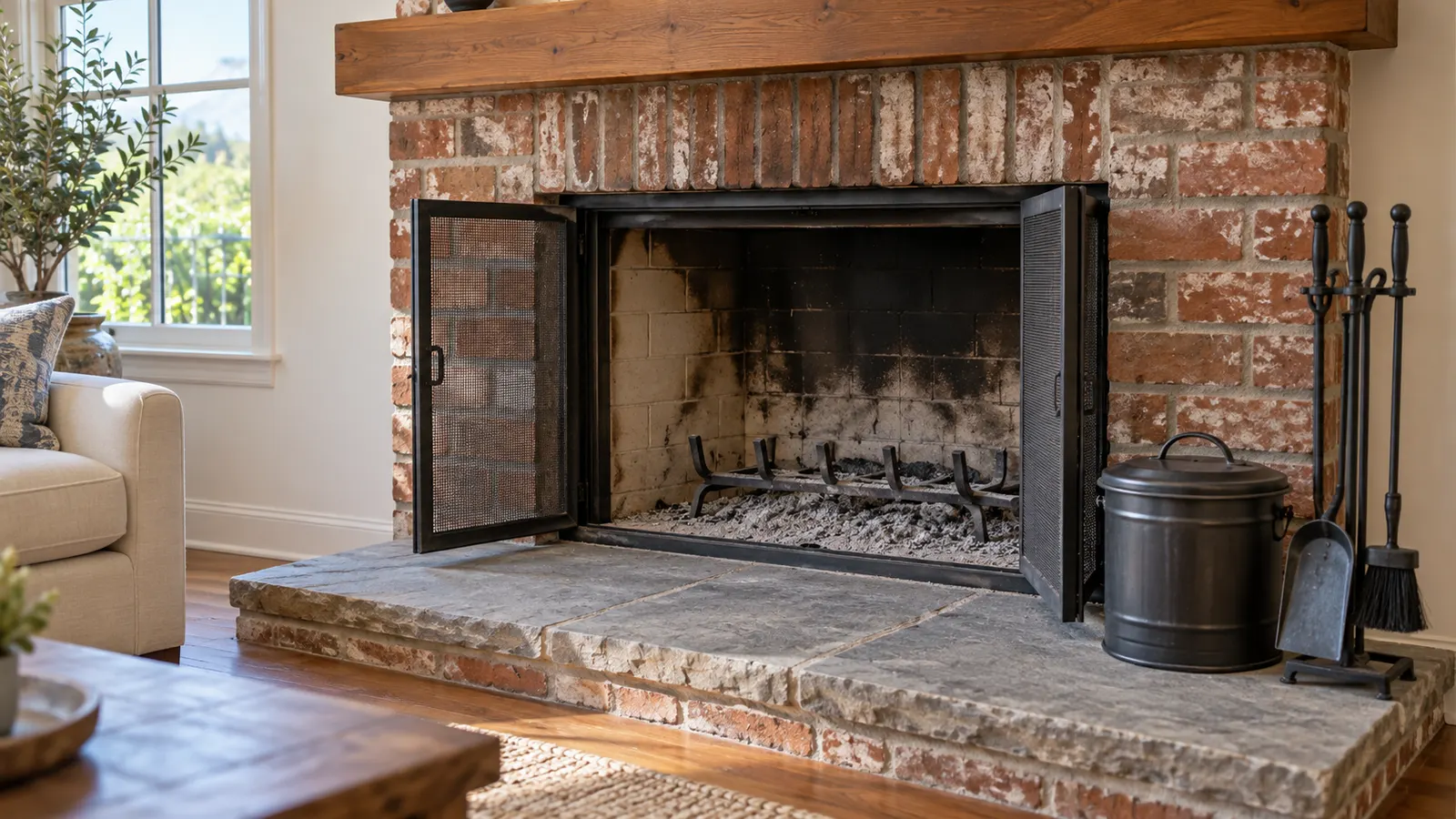
Gas and wood-burning fireplaces both need maintenance, but they do not create the same problems or require exactly the same care.
The biggest difference in gas vs wood burning fireplace maintenance is what happens during combustion. A wood-burning fireplace produces smoke, soot, ash, and creosote that can collect in the fireplace and chimney. A gas fireplace burns differently and does not create the same creosote buildup, but its burner, venting system, connections, and chimney or flue still need attention.
So choosing gas does not mean choosing a maintenance-free fireplace.
For Los Angeles homeowners, the right maintenance plan depends on the fireplace type, how it vents, how often it is used, and the condition of the chimney or venting system.
The Core Difference Between Gas and Wood Fireplace Maintenance
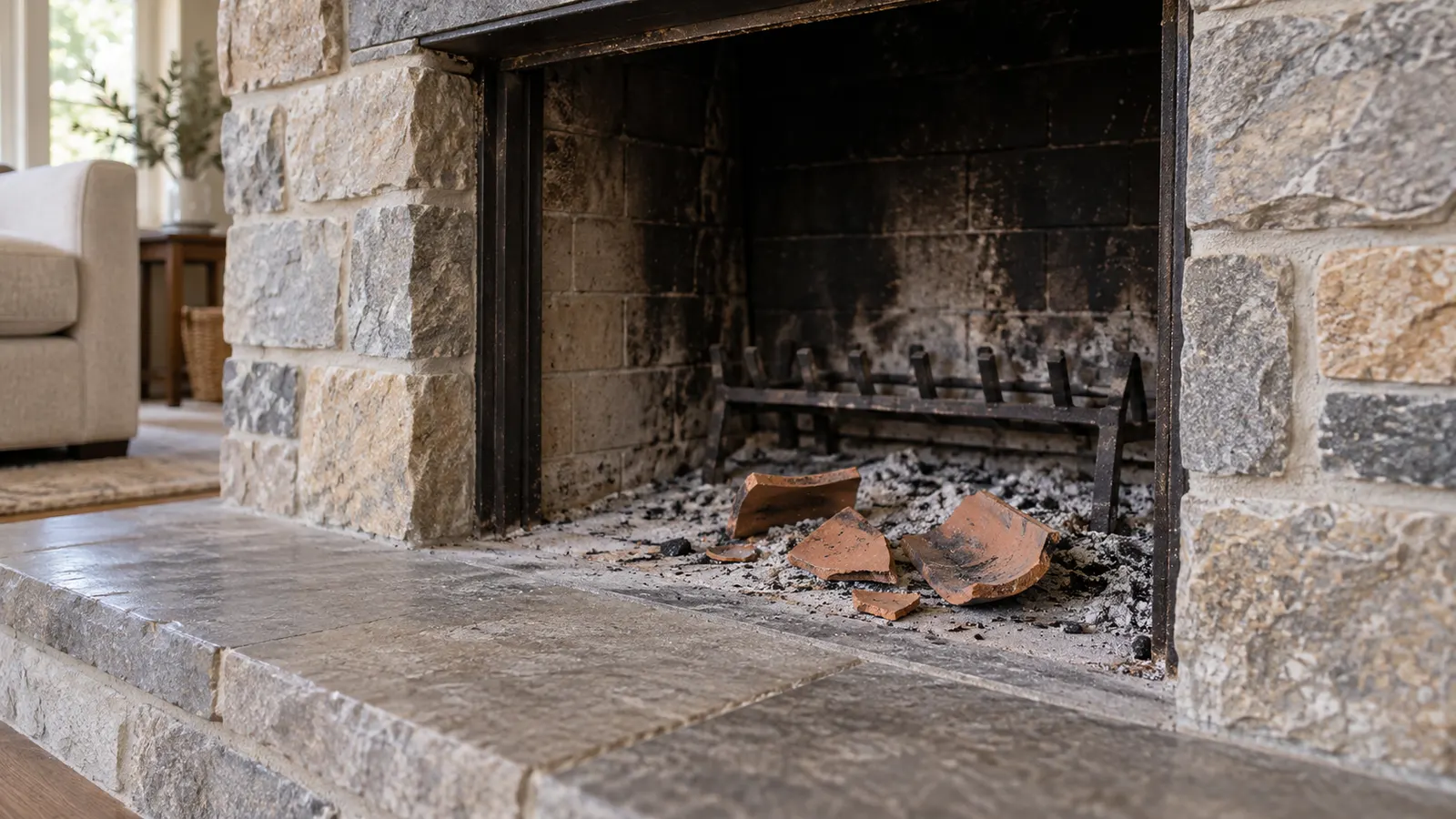
A wood-burning fireplace requires more routine cleaning because burning wood creates solid combustion residue.
Soot can collect around the firebox, ash needs removal, and creosote can accumulate inside the flue. The amount varies depending on the wood, fireplace operation, chimney conditions, and frequency of use.
A gas fireplace generally produces much less visible residue. You are not loading wood into the firebox or removing piles of ash afterward.
But less visible mess does not mean there is nothing to inspect.
Gas fireplaces rely on correct combustion and proper venting. Depending on the system, maintenance can involve checking the burner area, venting, connections, corrosion, and signs that combustion products are not leaving the home as intended.
That creates two different maintenance priorities:
- Wood-burning fireplace: control combustion deposits and verify the chimney remains safe to use.
- Gas fireplace: verify the appliance and venting system are operating and exhausting correctly.
Wood-Burning Fireplace Maintenance: What Needs Attention?
Wood-burning systems place greater cleaning demands on the fireplace and chimney.
Ash and Firebox Cleaning
Ash naturally collects as wood burns.
Routine homeowner maintenance can include removing excess ash after it has completely cooled, following the fireplace or appliance manufacturer’s recommendations.
The firebox should also be observed for deterioration, damaged components, or changes that were not present previously.
Ash removal, however, is not the same as professional fireplace cleaning or chimney service.
What homeowners can see from the room is only part of the system.
Creosote Buildup in the Chimney
Creosote is one of the major maintenance differences between wood and gas fireplaces.
As wood burns, combustion byproducts travel through the chimney. Creosote can deposit on the inner flue surfaces. Its amount and form vary with burning conditions and other factors.
That buildup matters because creosote is combustible.
Professional creosote removal addresses deposits inside the chimney that ordinary firebox cleaning cannot reach.
The goal is not to wait until a homeowner can see heavy buildup from below. The flue should be evaluated as part of chimney maintenance so cleaning can be based on its actual condition.
The Flue Still Needs Inspection
Cleaning and inspection are related, but they are not interchangeable.
Cleaning removes material such as soot and creosote.
Inspection evaluates the condition of the chimney system.
A clean flue can still have damaged components, and a structurally sound chimney may still require cleaning.
Our guide to chimney inspection vs. cleaning explains that distinction in more detail.
For a wood-burning fireplace, both questions matter: Is there buildup that should be removed? And is the chimney in suitable condition for continued use?
Gas Fireplace Maintenance: What Actually Needs to Be Checked?
Gas fireplaces often look easier to maintain because there is no woodpile, ash bucket, or obvious creosote.
That can lead homeowners to assume they need no attention.
They still do.
The Burner and Firebox
Gas fireplace components should remain clean and in the condition intended by the manufacturer.
Changes in flame appearance, unusual soot, ignition problems, unexplained odors, or visible deterioration are reasons to stop treating the fireplace as a purely decorative appliance and have it evaluated.
Homeowners should avoid adjusting or dismantling gas components unless the manufacturer’s instructions specifically identify a safe homeowner-maintenance task.
Fuel-burning appliances are not a good place for guesswork.
Venting Matters Even Without Creosote
A gas fireplace may not produce the same chimney deposits as a wood-burning fireplace, but combustion gases still need to be managed correctly.
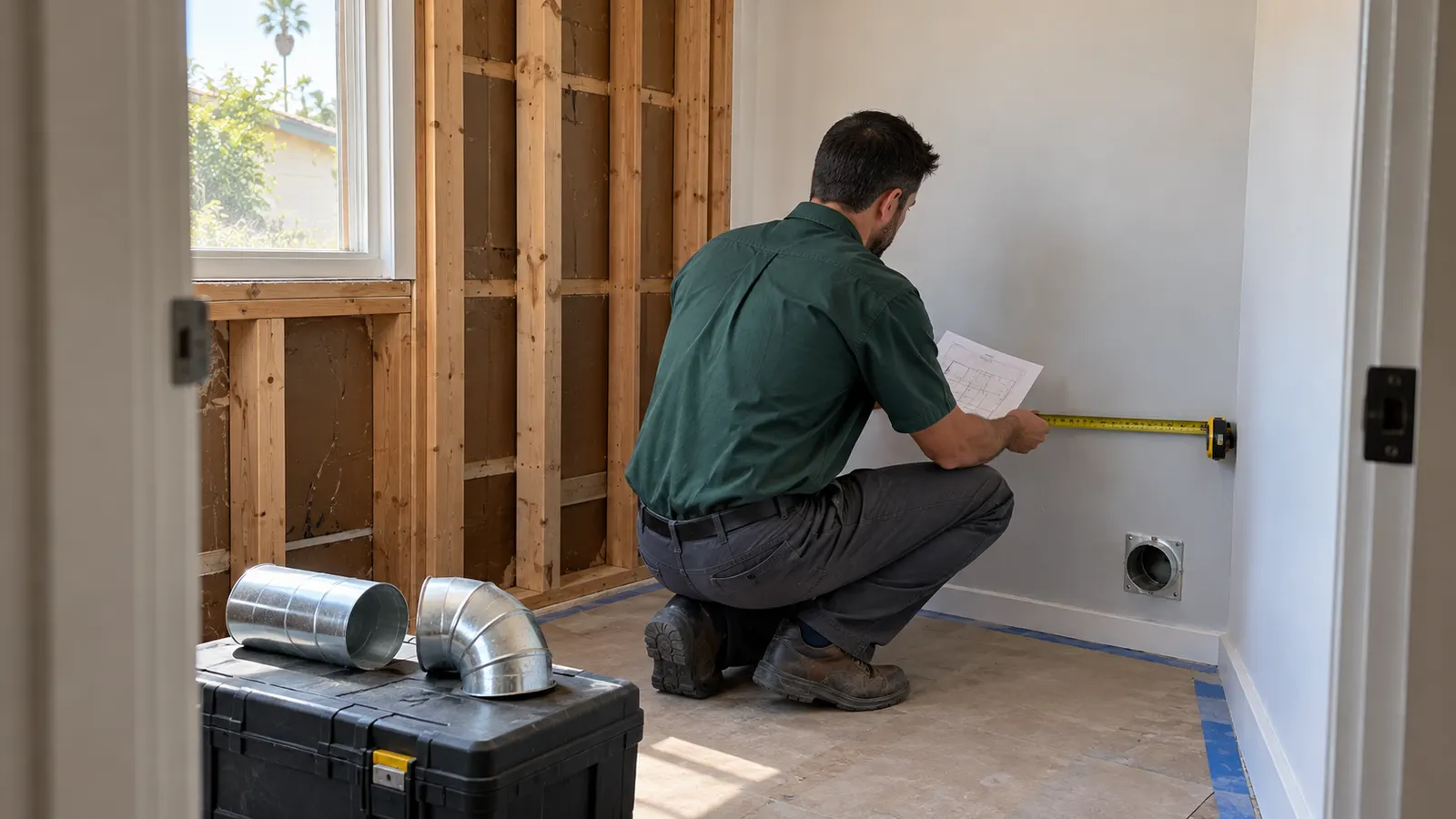
Depending on the fireplace design, that may involve a chimney, dedicated vent, direct-vent system, or another manufacturer-specified configuration.
The venting path should remain correctly connected and unobstructed.
The U.S. Consumer Product Safety Commission recommends professional inspection of fuel-burning systems and specifically notes that chimneys and flues should be checked for conditions such as blockage, corrosion, and loose or disconnected sections.
Does a Gas Fireplace Need Chimney Cleaning?
Not in the same way as a wood-burning fireplace.
Gas does not create wood creosote, so a gas fireplace should not automatically be placed on the same sweeping schedule solely because a wood-burning fireplace would require it.
However, a chimney or vent serving a gas appliance can still require inspection and, depending on what is found, cleaning or corrective work.
Debris, deterioration, corrosion, animal intrusion, or another obstruction can affect a vent even when creosote is not the issue.
The service should match the condition rather than the fuel type alone.
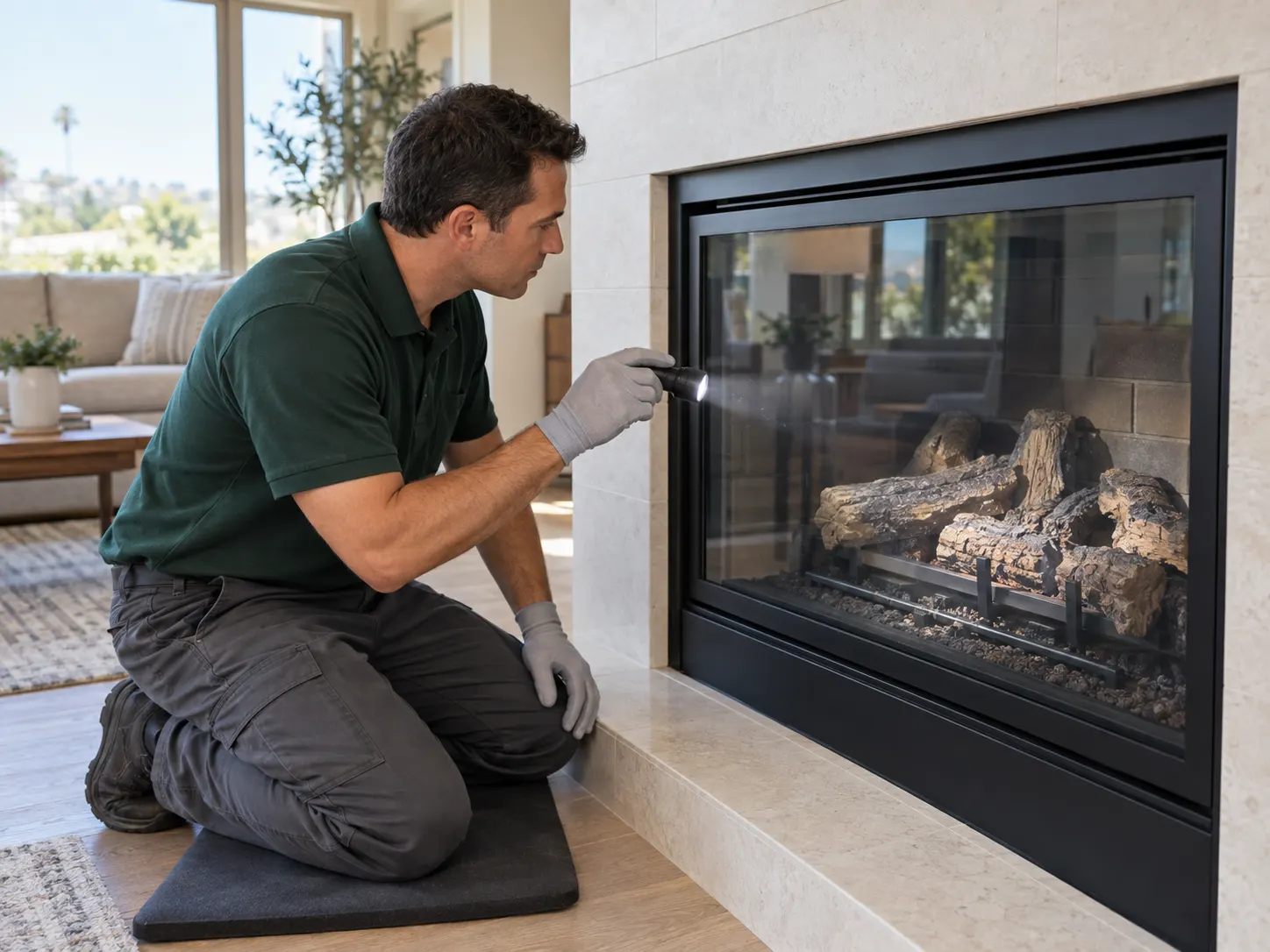
Gas vs. Wood Fireplace Safety: The Risks Are Different
Neither fireplace type should be treated as automatically “safe” simply because of its fuel.
They present different maintenance concerns.
| Maintenance concern | Wood-burning fireplace | Gas fireplace |
|---|---|---|
| Ash removal | Regularly needed | Generally not applicable |
| Creosote | Important concern | Not produced like wood creosote |
| Chimney/flue inspection | Important | Important when a chimney/flue is part of the system |
| Burner components | Not applicable in the same way | Need proper operation |
| Venting | Important for smoke and combustion products | Important for combustion products |
| Chimney fire concern | Creosote is a key factor | Different risk profile |
| CO awareness | Important | Important |
| Professional evaluation | Based on system and use | Based on system and use |
Wood-Burning Fireplaces: Creosote and Chimney Conditions
For wood-burning systems, accumulated creosote is a major reason chimney cleaning matters.
The chimney also needs to contain and vent the products of combustion correctly.
A damaged liner, deteriorated masonry, obstruction, or other defect can change the safety picture even if the fireplace itself looks normal.
If you are concerned about the flue rather than surface cleanliness, our guide to chimney liner damage signs explains the warning signs that justify closer inspection.
Gas Fireplaces: Combustion and Venting
With gas, maintenance attention shifts toward proper combustion, venting, and the condition of the appliance and vent system.
Carbon monoxide deserves particular care because it cannot be reliably detected by smell or sight. CPSC recommends working CO alarms and professional servicing of fuel-burning systems.
A CO alarm sounding should not be treated as a routine fireplace-maintenance reminder. Follow the alarm manufacturer’s safety instructions and address the potential source appropriately.
Which Fireplace Needs More Maintenance?
In terms of routine cleaning, a wood-burning fireplace generally demands more attention.
You have ash, soot, and creosote to consider, along with the condition of the chimney.
Gas eliminates much of that visible residue.
But this comparison can become misleading if “less cleaning” is interpreted as “no maintenance.”
A gas fireplace trades some of the routine cleaning needs of wood for a different set of inspection priorities.
So the better question is not which fireplace requires maintenance. Both do.
The better question is: what type of maintenance does this particular fireplace need?
How Often Should a Fireplace Be Checked?
The correct schedule depends on the fireplace, manufacturer requirements, use, fuel, chimney configuration, and previous condition.
For wood-burning systems, the amount of creosote and other buildup helps determine when cleaning is needed. Inspection is a separate question because it evaluates the condition of the chimney rather than simply removing deposits.
For gas systems, follow the appliance manufacturer’s service instructions and do not assume that low usage means venting can never develop a problem.
A fireplace that has not been used for an extended period can still deserve evaluation before being returned to regular service, particularly when its chimney or vent has not been checked.
Warning Signs That Should Not Wait for Routine Maintenance
A maintenance schedule is useful, but symptoms matter more than the calendar.
For a wood-burning fireplace, arrange an evaluation if you notice unusual smoke entering the room, persistent strong chimney odors, visible deterioration, debris falling into the firebox, or significant changes in draft.
For a gas fireplace, pay attention to ignition problems, unexplained soot, unusual odors, visible corrosion or damage, repeated shutdowns, or changes in flame or operation.
And with either system, water entry or visible chimney deterioration deserves investigation rather than being dismissed as a fireplace-cleaning problem.
These symptoms can point to different causes, so the goal should be diagnosis rather than automatically scheduling the same service every time.
Inspection and Cleaning Should Solve Different Questions
A homeowner may ask for cleaning when what they really need is an inspection.
Another may have a structurally sound chimney that simply has deposits requiring removal.
Cleaning asks: what needs to be removed?
Inspection asks: what condition is the system in?
Sometimes both services are appropriate during the same maintenance visit, but they should not be presented as identical.
That distinction also prevents unnecessary service recommendations.
Fireplace Maintenance in Los Angeles Homes
Fireplaces in Los Angeles and the San Fernando Valley are often used differently from fireplaces in colder climates.
Some homeowners use them regularly during cooler weather. Others use them only occasionally.
Low usage does not automatically eliminate the need to check the system.
Time, moisture, debris, deterioration, previous modifications, and seismic activity can affect a chimney regardless of how many fires were burned last winter.
Before returning a fireplace to regular seasonal use, pay attention to its condition rather than relying only on the number of times it was used.
Can You Maintain a Fireplace Yourself?
Some basic homeowner maintenance is reasonable.
For wood fireplaces, that can include managing fully cooled ash and keeping the hearth area clean.
For gas fireplaces, manufacturer-approved surface cleaning may be appropriate.
Homeowners can also observe changes in either system.
What should not become a DIY experiment is work involving gas connections, concealed venting, internal chimney conditions, or suspected structural damage.
Do not dismantle a gas system simply to “see if it looks clean.”
And do not assume that looking upward from the fireplace gives you a complete view of a wood-burning chimney.
Professional inspection exists because many important conditions are not visible from the room.
Scheduling the Right Fireplace Service
The most useful maintenance appointment begins by identifying the fireplace type and the actual concern.
For a wood-burning fireplace, that may involve evaluating creosote, soot, the flue, and overall chimney condition.
For a gas fireplace, attention may focus more on the appliance, combustion area, venting path, and visible signs of deterioration or malfunction.
If cleaning is warranted, SoCal Green Air Duct & Chimney provides professional chimney cleaning and fireplace cleaning for Los Angeles-area homes.
The service should be based on what the system actually needs, not a generic checklist applied to every fireplace.
Prepare Your Fireplace Before You Need It
Whether you use gas or wood, maintenance is easier to address before the first evening you want to turn the fireplace on.
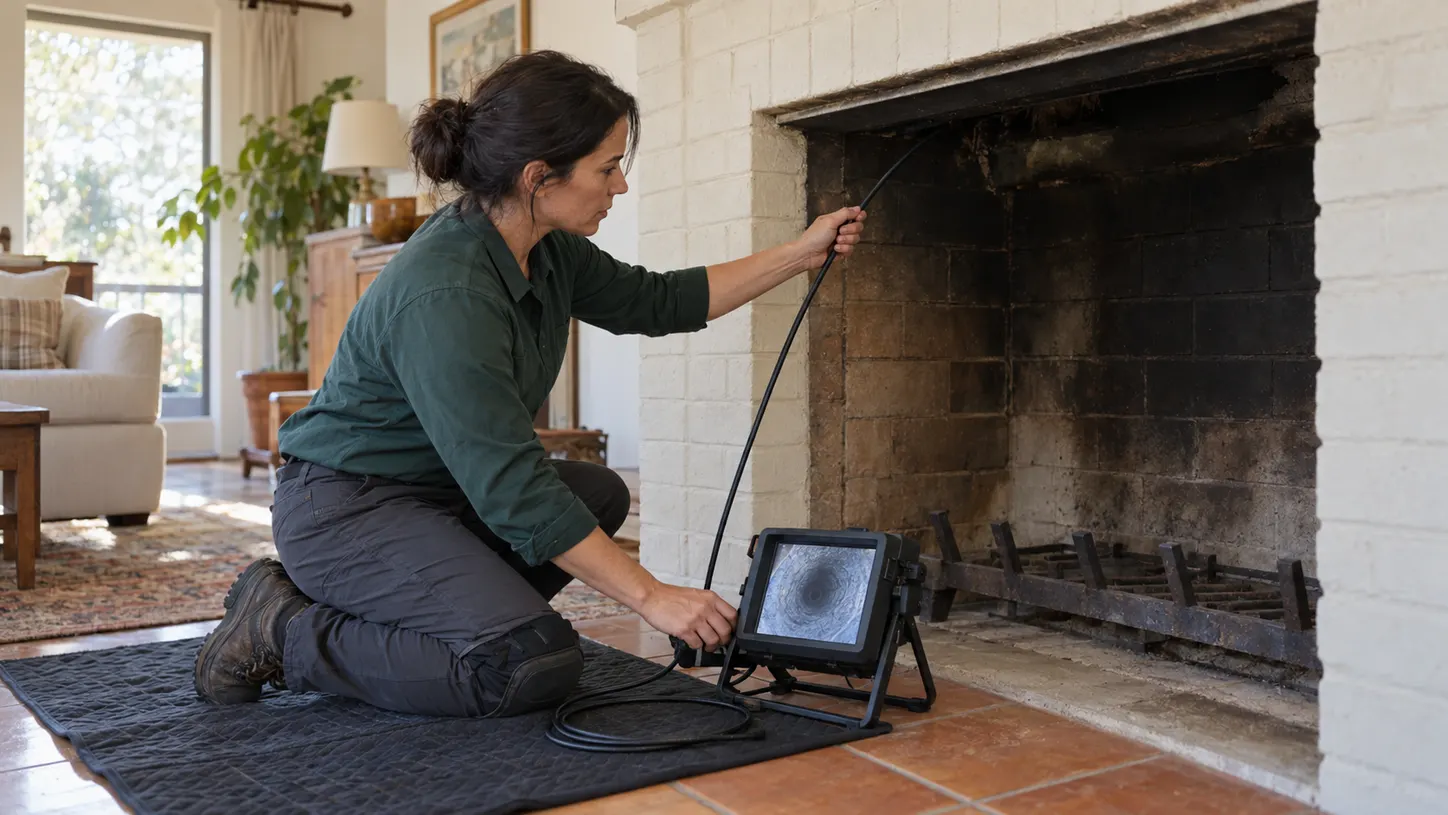
SoCal Green Air Duct & Chimney can inspect the fireplace and chimney system, identify cleaning or maintenance needs, and explain the next step based on the system’s condition.
Schedule Fireplace & Chimney Service →
Frequently Asked Questions
Do gas fireplaces need cleaning like wood-burning fireplaces?
Not in the same way. Wood-burning fireplaces create ash, soot, and creosote. Gas fireplaces do not create wood creosote, but their burner, firebox, venting, and related components can still require inspection and manufacturer-recommended maintenance.
Does a gas fireplace produce creosote?
Gas combustion does not produce the wood-tar creosote associated with burning firewood. If a gas fireplace has unusual soot or deposits, the condition should be evaluated rather than treated as normal creosote buildup.
Which needs more maintenance: gas or wood?
Wood-burning fireplaces generally require more routine cleaning because of ash, soot, and creosote. Gas fireplaces typically have less cleaning, but proper appliance operation and venting still need attention.
Does a gas fireplace still need a chimney inspection?
If the gas fireplace uses a chimney or flue as part of its venting system, that venting path should be maintained according to the appliance and system requirements. Gas does not make a damaged or obstructed vent harmless.
How do I know when a wood-burning chimney needs cleaning?
The decision should be based on the chimney’s condition and amount of buildup rather than guessing from fireplace use alone. A chimney inspection can identify deposits and determine whether cleaning is needed.
Is carbon monoxide only a gas-fireplace concern?
No. Carbon monoxide is a combustion product and is relevant to fuel-burning appliances generally. Correct operation and venting are important, and homes with fuel-burning equipment should have properly installed and maintained CO alarms.
Can I clean my fireplace myself?
Basic surface cleaning and fully cooled ash removal may be suitable homeowner tasks when done according to manufacturer instructions. Cleaning or inspecting concealed flue areas, gas components, or suspected damage is different and may require professional service.
Should I have my fireplace checked before winter?
If the fireplace or chimney has not been evaluated recently, has developed symptoms, or has been unused for a long period, having it checked before seasonal use can identify maintenance needs before you begin relying on it.
Final Thoughts
The main difference between gas and wood fireplace maintenance is not that one requires care and the other does not.
Wood-burning fireplaces create ash, soot, and creosote, so cleaning is a major part of maintenance.
Gas fireplaces avoid much of that buildup but still depend on proper combustion and venting.
The useful approach is to maintain each system according to how it works and what condition it is in, rather than applying the same cleaning schedule to both.