Furnace Duct Cleaning vs. Air Duct Cleaning: What's the Difference?
Compare furnace duct cleaning and air duct cleaning, understand what each quote includes, and choose the right service with SoCal Green Air & Chimney.
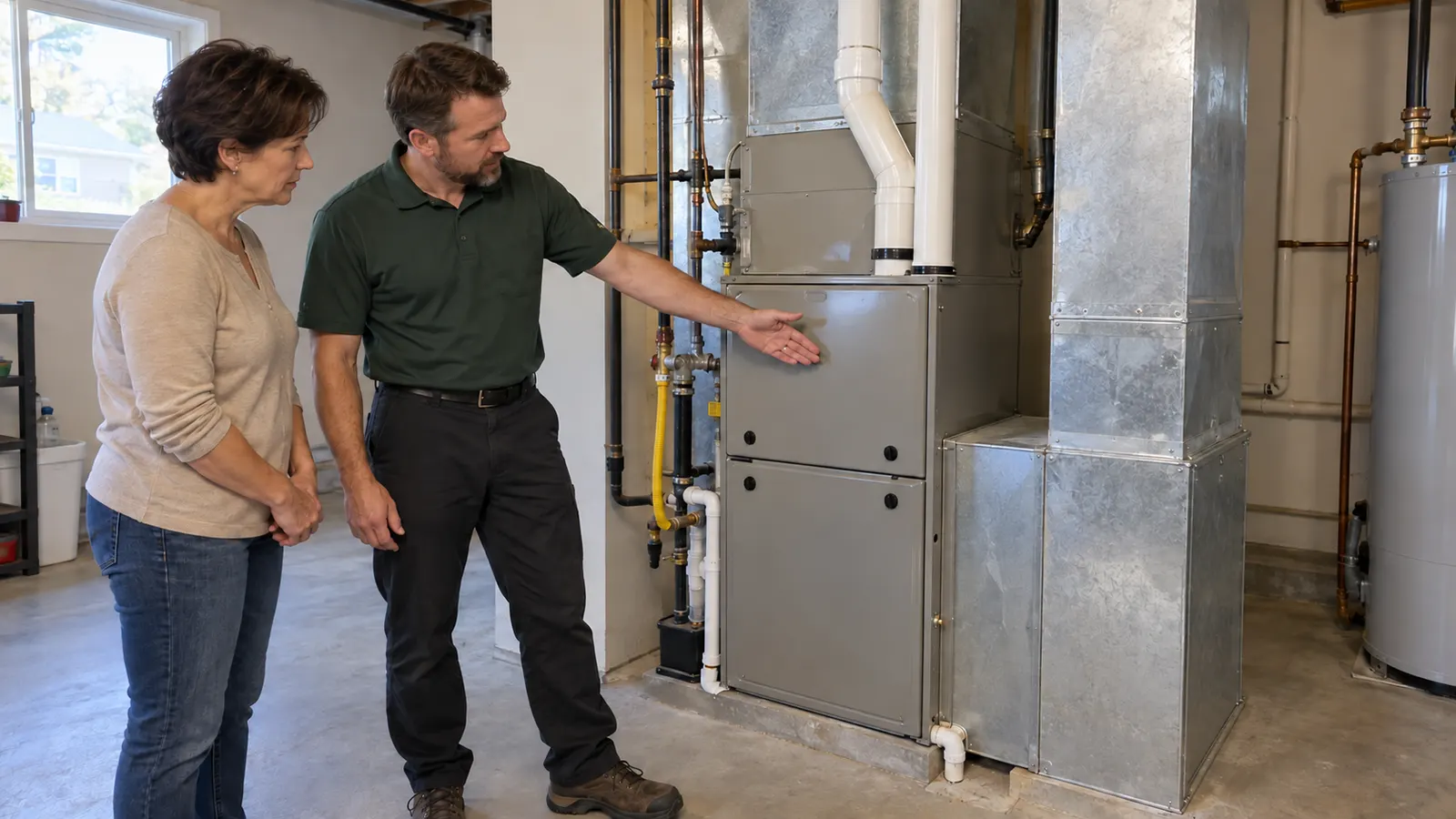
You call one company about furnace duct cleaning and another about air duct cleaning. Both describe removing dust from your vents, but their estimates include different work. Are these separate services, or two names for the same job?
In many homes, they overlap. Furnace duct cleaning usually describes cleaning the air distribution system connected to a furnace. Air duct cleaning is the broader term for cleaning ductwork associated with a forced air heating or cooling system.
The important difference is what the company actually includes. Neither name, by itself, tells you whether the blower, equipment housing, coils, or furnace safety checks are part of the appointment.
Understanding furnace duct cleaning vs air duct cleaning helps you compare estimates, avoid duplicate work, and book the service your home needs.
The Short Answer: Compare the Scope, Not Just the Name
If your furnace and central air conditioner share ductwork, the supply and return ducts generally carry air during both heating and cooling.
Calling those passages “furnace ducts” in winter and “AC ducts” in summer does not create two separate networks.
However, providers may package their services differently. One estimate might include supply ducts, return ducts, and registers. Another might also include accessible air handling components. A third could combine duct cleaning with furnace maintenance.
Before comparing prices, ask each company to identify the components included and any work charged separately.
A clear estimate should answer a practical question: after this appointment, exactly which parts of my system will have been cleaned or inspected?
What Does Furnace Duct Cleaning Usually Mean?
Furnace duct cleaning focuses on the duct system that distributes heated air throughout the home and returns air to the equipment.
Depending on the agreed scope, work may address:
- Supply and return duct runs.
- Registers and return grilles.
- Accessible supply and return plenums.
- Specified blower or air handling components.
A plenum is a chamber that connects the equipment to the duct network. It should not disappear from the conversation simply because you cannot see it from your living room.
The phrase can also appear in a combined furnace and duct cleaning package. That is where confusion begins: cleaning ducts connected to a furnace is different from servicing the furnace itself.
Ask the provider to describe both parts separately when discussing furnace duct cleaning.
What Does Air Duct Cleaning Cover?
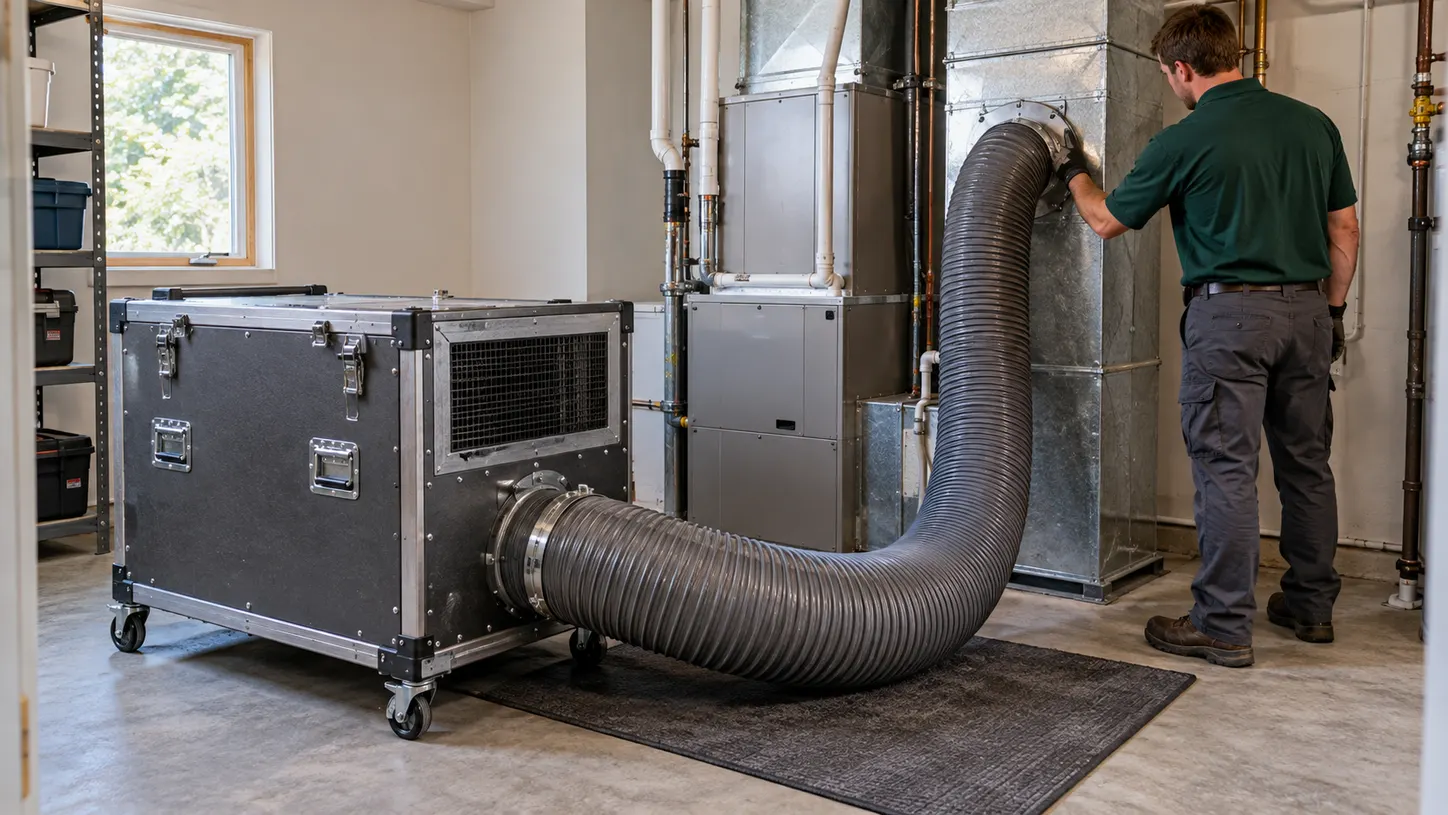
Air duct cleaning describes cleaning the air pathways and agreed components of a forced air system. The equipment may include a furnace, central air conditioner, or ducted heat pump.
The service name is broader, but broader wording does not automatically mean a more complete appointment.
For example, a duct cleaning quote may exclude coil cleaning, blower removal, filter replacement, or equipment servicing. Those exclusions should be clear before work begins.
Also ask how the provider will reach each branch and contain the debris removed. Cleaning the visible register face is only one small part of working on the duct system.
When comparing air duct cleaning options, look for a written scope that fits your equipment, duct material, access conditions, and reason for requesting service.
Furnace Maintenance Is a Separate Conversation
A furnace produces heat. The ducts distribute air. These connected parts need different kinds of attention.
Furnace maintenance can involve evaluating heating operation, electrical components, controls, and other equipment functions. A fuel burning furnace also requires appropriate attention to combustion and venting safety.
Duct cleaning does not automatically include those checks. Even if a technician cleans an accessible equipment compartment, that does not establish that a complete furnace maintenance visit has occurred.
Ask directly whether the appointment includes furnace servicing, who performs it, and what checks are documented.
If your concern is unreliable ignition, repeated shutdowns, or a furnace that will not heat, describe that when booking. A cleaning appointment alone may not address an operating fault.
Do Heating and Cooling Use the Same Ducts?
Often, yes. In a common central system, the furnace blower moves air through shared ductwork, and a cooling coil provides air conditioning through that same distribution network.
That means you may not need one duct cleaning for heating and another for cooling during the same period.
The equipment components still differ. Cleaning shared ducts does not necessarily include cleaning the cooling coil or completing heating safety checks.
Some properties have separate systems, multiple zones, additions, or equipment installed at different times. A ductless mini split also does not have the same central duct network.
Tell the provider how many systems serve the house and which rooms each covers. That helps establish whether the quote covers one network or several.
When Is Cleaning Worth Discussing?
Start with evidence inside the system rather than the service label.
Cleaning may deserve consideration when substantial debris is documented, particles are being released from registers, or contamination has been identified. Pest activity and suspected microbial growth require attention to their underlying causes as well.
A dusty grille alone does not show what is happening throughout the ducts. Likewise, the calendar does not determine whether cleaning is needed.
Ask for accessible photos and an explanation of the condition found. If moisture is involved, find out how its source will be corrected.
The strongest reason to approve cleaning is a defined problem with a suitable removal method, rather than a general promise that every home needs the same service.
What If Your Main Complaint Is Weak Airflow?
Weak airflow can make homeowners search for furnace cleaning, especially when a room feels cold. But airflow problems can involve filters, equipment, dampers, duct restrictions, or disconnected branches.
Cleaning cannot reconnect a loose run, restore a collapsed duct, or close a leaking connection.
Describe whether the problem affects one outlet or the entire home. Mention when it began and whether it happens during heating, cooling, or both.
The provider can then explain whether cleaning, equipment service, or a physical duct correction is relevant.
If the findings show damaged or separated ductwork, discuss air duct repair before expecting a cleaning visit to restore room comfort.
Five Questions That Make Estimates Easier to Compare

You do not need technical training to ask for a clear scope. These questions help establish what you are purchasing.
1. Which components are included?
Request a list covering supply ducts, return ducts, registers, plenums, and any equipment components. Ask what remains outside the quoted work.
2. What condition makes cleaning necessary?
Ask for an explanation tied to your system. Photos can help show buildup, but the provider should explain where they were taken.
3. How will debris be removed and contained?
Ask about collection equipment, cleaning tools, and protection for the home. The method should suit the duct material rather than treating every installation alike.
4. Are furnace checks or coil cleaning separate?
Find out whether the appointment includes equipment maintenance or only cleaning. Any additional charges should be discussed before those tasks begin.
5. What documentation will I receive?
Ask for a summary of work completed, relevant photos, and any areas that could not be accessed. That gives you a record for future service. Keep that information with your maintenance records.
Why Two Similar Quotes Can Have Different Prices
A lower estimate may reflect a smaller scope, easier access, or fewer systems. A higher estimate may include additional components or more difficult access.
Neither price proves quality by itself.
Compare the number of systems, included duct branches, equipment components, access work, and cleanup. Also check whether the estimate includes approved extras or lists them separately.
For instance, cleaning one accessible network differs from working on several systems with concealed runs. A quote covering only registers differs from one addressing the connected ductwork.
Choose based on the work your system needs and how clearly it is explained. Avoid paying twice for shared heating and cooling ducts simply because two package names appear on the estimate.
Can Both Services Happen During One Visit?
Duct cleaning and furnace maintenance can sometimes be coordinated. That can make scheduling easier when both tasks are justified.
Still, a combined visit should have a clear division of work. Ask who handles equipment maintenance, which duct components are cleaned, and whether separate documentation is provided.
If repairs are also needed, discuss the order before the appointment. Damaged material, contamination, and equipment access may affect how the job proceeds.
When contacting SoCal Green Air & Chimney, describe your heating concerns and ask what the furnace duct cleaning service includes. Confirm whether any additional equipment work belongs in the same appointment.
That conversation is more useful than selecting the largest package without understanding its contents.
Explore Furnace Duct Cleaning →
What Should You Do Before the Appointment?
Share the equipment type if you know it, the approximate number of systems, and the symptoms you want addressed.
Mention recent renovations, past duct repairs, unusual odors, or pest activity. Provide previous service records when available.
Ask how to prepare access to registers and equipment. Move ordinary furniture if requested, but leave equipment panels and concealed ductwork for the provider.
Follow the manufacturer’s filter instructions between appointments. A filter that fits correctly and is maintained appropriately supports routine system care.
Before authorizing additional work, request an explanation of the finding and revised cost. You should know whether the recommendation changes the original cleaning scope or introduces a separate repair.
Questions About Furnace and Air Duct Cleaning
Is furnace duct cleaning the same as furnace cleaning?
Not necessarily. Furnace duct cleaning usually refers to the connected air distribution system. Furnace cleaning may describe work on equipment components. Ask for an itemized description because providers use these terms differently.
Do I need separate cleaning for furnace ducts and AC ducts?
Usually not when both systems share the same duct network. Separate equipment tasks may still be relevant. Have the provider identify the shared ducts and any components that require additional work.
Does a heat pump need furnace duct cleaning?
A ducted heat pump has air ducts but no furnace unless the installation includes separate backup equipment. Air duct cleaning is the more accurate description. A ductless system requires a different cleaning approach.
Will cleaning stop a burning smell when heating starts?
An odor does not establish that ducts need cleaning. Persistent or unusual smells require appropriate equipment assessment. If you suspect a gas leak or a carbon monoxide alarm activates, leave the home and contact emergency assistance.
Can duct cleaning reduce my heating bill?
Results depend on the actual condition and work performed. Cleaning contaminated equipment components may help performance, but duct cleaning alone should not come with guaranteed savings. Ask which finding supports the proposed improvement.
Does replacing the furnace mean the ducts must be cleaned?
No. Equipment replacement is an opportunity to review the connected system, but cleaning should follow its condition. Ask whether installation debris entered the ducts and whether any other contamination is documented.
Are sanitizing sprays included in normal duct cleaning?
Not automatically, and they should not be assumed necessary. Ask what product is proposed, why it is needed, and whether its labeled use fits your duct material. Understand the treatment before approving it.
How often should furnace ducts be cleaned?
There is no single interval that suits every home. Base the decision on system condition, relevant contamination, and professional findings. Keep equipment maintenance and filter care on their appropriate schedules rather than using duct cleaning as a substitute.
Book the Work Your System Actually Needs
The difference between furnace duct cleaning and air duct cleaning often comes down to wording and scope. The right appointment addresses the condition in your system and explains what is included.
SoCal Green Air & Chimney serves homeowners in Tarzana, Los Angeles, and surrounding service areas. Tell the team whether you are concerned about debris, heating performance, recent construction, or the details of a previous quote.
Request a clear cleaning scope and ask which equipment checks or repairs require separate attention.
You can then choose the service with confidence, knowing which components will be addressed and what the appointment is intended to accomplish.