How to Tell If Your Air Ducts Are Leaking: 7 Warning Signs
Uneven temperatures, weak airflow, or rising bills? Learn seven air duct leak symptoms and ask SoCal Green Air & Chimney about repair in Los Angeles.
Your air conditioner is running, but the bedroom still feels warm. Another room cools quickly, and your electricity bill seems higher than usual. Before assuming the equipment needs replacing, consider where the air travels after leaving it.
A leak in the duct system can let heated or cooled air escape before it reaches your rooms. Leaks on the return side can draw unwanted air into the system from surrounding spaces.
Common air duct leak symptoms include uneven temperatures, weak airflow, longer operating cycles, unusual sounds, and visible gaps. However, several other problems can create the same symptoms. The useful next step is to connect what you notice with evidence of an actual leak.
Here are seven warning signs, what they might mean, and how to move toward a repair that addresses the problem.
First, Understand Where a Duct Can Leak
Supply ducts carry conditioned air toward your rooms. Return ducts bring air back toward the heating and cooling equipment.
A loose supply connection can release air into an attic or crawlspace. A leaking return connection can pull air from that space into the return path. Whether that incoming air passes through a filter depends on where the leak sits relative to the filter.
Leaks can occur at joints, fittings, register connections, damaged liners, or connections near the equipment. Sometimes the opening is obvious. Sometimes it is hidden beneath insulation or behind a finished surface.
This distinction matters because “the ducts are leaking” should lead to a specific finding, not an unexplained recommendation to replace everything.
1. One Room Never Reaches a Comfortable Temperature
A bedroom that stays warm while the hallway feels cool is a familiar complaint. If a supply branch loses air along its route, less conditioned air may reach that room.
Notice whether the difference occurs during both heating and cooling. Also consider whether it began suddenly or has existed since you moved in.
Start with accessible checks:
- Make sure furniture and curtains are not covering the register.
- Check whether the register is open.
- Note whether keeping the room door open changes the comfort level.
Window exposure, insulation, duct sizing, and return airflow can also affect room temperature. Describe the pattern when arranging service so the assessment considers more than leakage.
If the room remains uncomfortable after basic checks, ask about air duct repair and whether its supply branch has a damaged or loose connection.
2. Airflow Feels Weaker at Certain Registers
Put your hand near an accessible register while the system runs. A noticeable difference between rooms can help identify where to investigate, although your hand cannot measure duct leakage.
A disconnected or leaking branch may deliver less air. However, a crushed duct, closed damper, dirty filter, or equipment problem can also reduce delivery.
The timing helps. Did airflow weaken after attic work, a renovation, or a service visit? Did every outlet change, or just one?
Avoid closing other registers to force more air into the affected room. That can change system pressures without correcting the underlying fault.
Tell the provider which outlets changed and when. Useful findings should explain whether air is escaping, being restricted, or never being supplied adequately in the first place.
3. Heating or Cooling Runs Longer Than Before
When conditioned air escapes outside the living space, the system may need longer cycles to satisfy the thermostat.
You might notice that the house takes longer to cool after work or that the heating runs more often on comparable mornings.
Compare similar conditions before drawing conclusions. A hotter afternoon, different thermostat setting, clogged filter, or equipment fault can also extend operating time.
A record is useful: write down the outdoor conditions, thermostat setting, affected rooms, and approximate operating pattern. You do not need to watch the system.
If longer cycles appear alongside weak airflow or a visible connection problem, mention those together. A combination of observations gives the technician a better starting point than runtime alone.
4. Energy Bills Rise Without an Obvious Explanation
An unexpected bill can prompt a duct check, especially when comfort has declined at the same time.
But compare energy use as well as the amount charged. A rate increase can raise your bill even if the home uses the same electricity or gas.
Consider changes in weather, occupancy, thermostat schedules, and appliance use. Look at comparable billing periods rather than comparing a mild month with a heatwave.
Duct leakage can contribute to wasted heating or cooling, but a bill cannot establish its location or severity.
Ask what evidence supports any proposed sealing work. The goal should be correcting a documented loss, with realistic expectations about performance. Avoid treating a promised savings percentage as a substitute for an explanation of the repair.
5. You Hear Hissing or Whistling Near Duct Connections
A new whistle can occur when air passes through a narrow opening or restriction. Hissing near an accessible duct connection may deserve attention, particularly if it starts whenever the blower runs.
Listen from a safe position and note the location. Is the sound at the register, near the equipment, or above the ceiling?
Record intermittent noises.
Noise alone does not confirm leakage. Registers, filters, and airflow restrictions can also produce sounds.
Do not remove equipment panels or reach into moving components to find the source. Ask for the sound to be investigated alongside the airflow complaint, rather than requesting sealing based only on what you hear.
6. Dust or Unusual Odors Appear During Operation
A return leak in an attic or crawlspace can draw air from that surrounding area into the system. Depending on the location and conditions, that air may carry dust or odors.
Pay attention to timing. Does the odor begin when the blower starts? Is dust concentrated near one outlet? Did the problem follow construction or pest activity?
Dust and smells have many possible sources, including indoor activities, moisture, dirty components, and gaps around registers. They do not prove that a return duct is leaking or that mold is present.
Explain the pattern and ask whether the return path needs inspection. If internal buildup is also documented, air duct cleaning may be appropriate alongside repairs.
Cleaning removes suitable buildup; it does not close an opening that keeps drawing unwanted air into the system.
7. You Can See a Gap, Tear, or Detached Connection
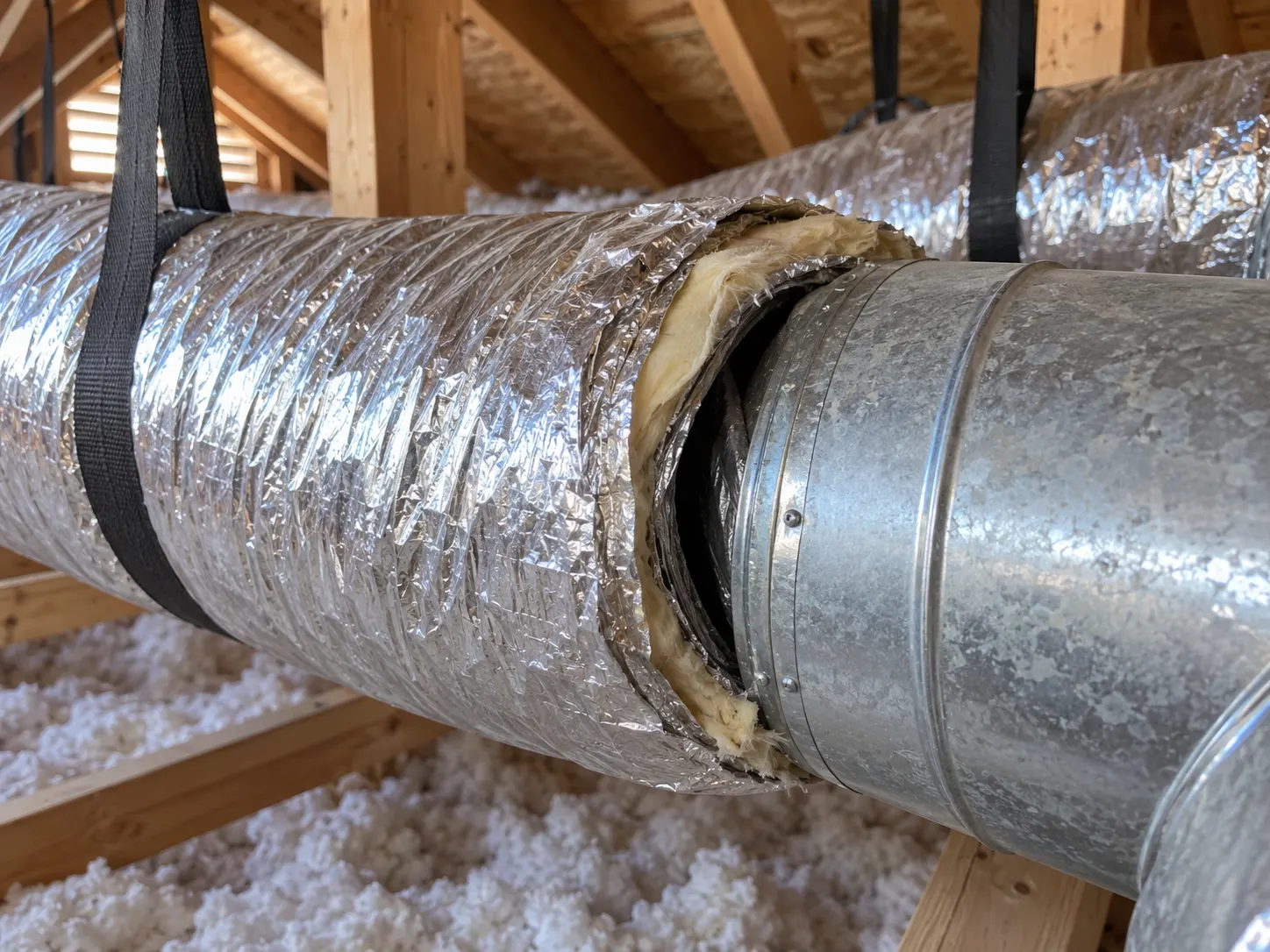
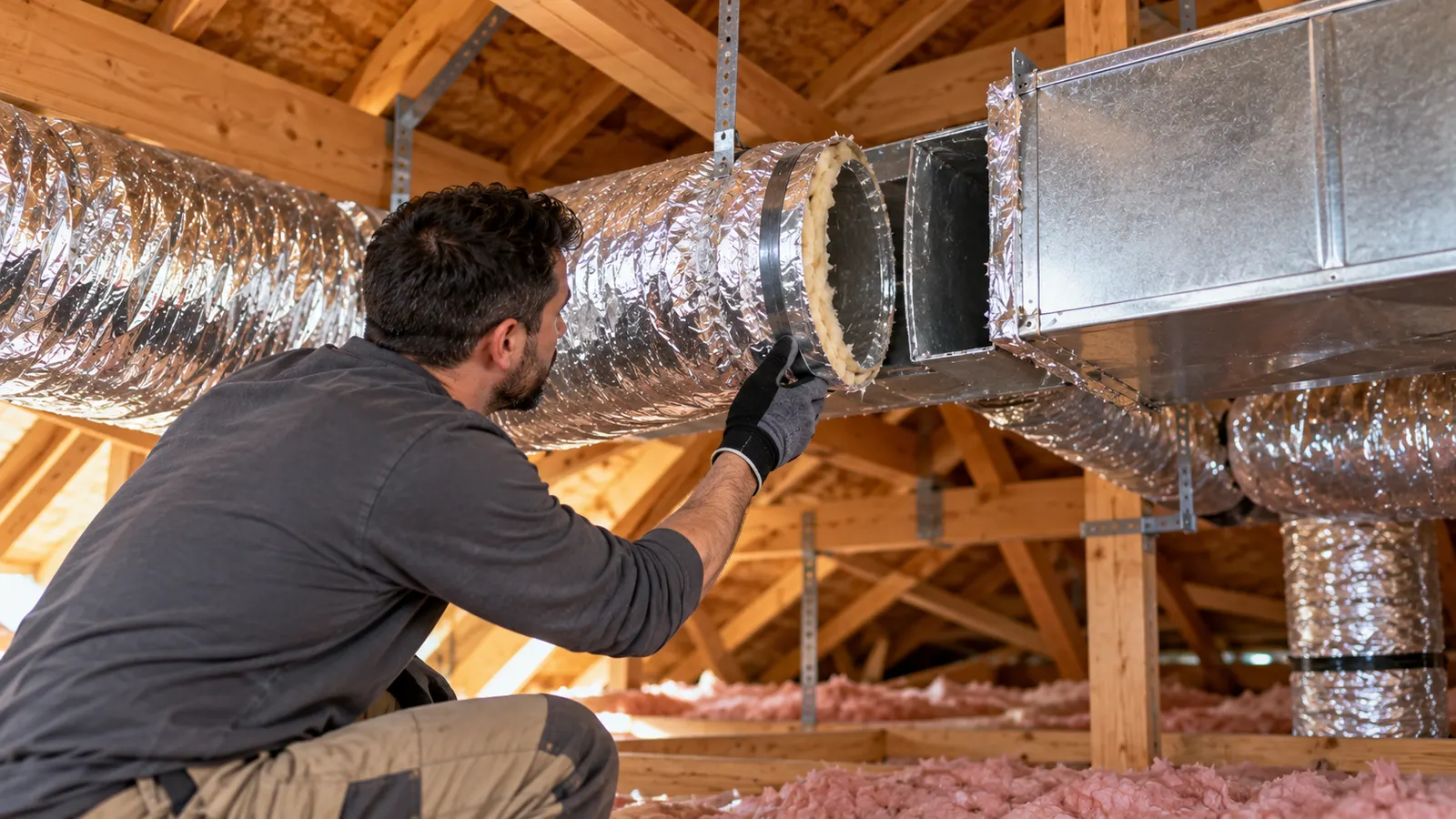
Visible separation is stronger evidence than a general comfort complaint. A duct that has pulled away from a fitting has a physical problem that needs attention.
If it is safely visible, take a photograph without moving the duct. Capture the connection and enough surrounding area to show its location.
An outer jacket tear is different from damage to the inner air path. Missing insulation also affects performance, but it does not automatically mean air is escaping through the duct itself.
Ask which layer is damaged and what the repair will restore. A loose connection may also need support so it does not pull apart again.
For visible separation or damaged connections, discuss duct repair services before paying for another cleaning appointment.
Have Your Duct Connections Checked →
What Can You Check Safely Before Calling?
You can collect useful information without entering an attic or crawlspace.
Check accessible registers for obstructions and follow the equipment instructions for filter maintenance. Note whether the concern affects one room or the whole house.
Gather:
- Photos of damage visible from a safe location.
- A brief description of when the symptoms occur.
- Recent utility usage information, if bills are part of the concern.
- Details of recent remodeling or work near the ducts.
Avoid using candles, incense, or homemade smoke tests to trace leaks. Do not disturb old insulation or unfamiliar materials.
These observations help the provider plan the visit. They also give you a clear way to describe what you want improved: room comfort, airflow, noise, or another specific concern.
How Does a Professional Confirm Duct Leakage?
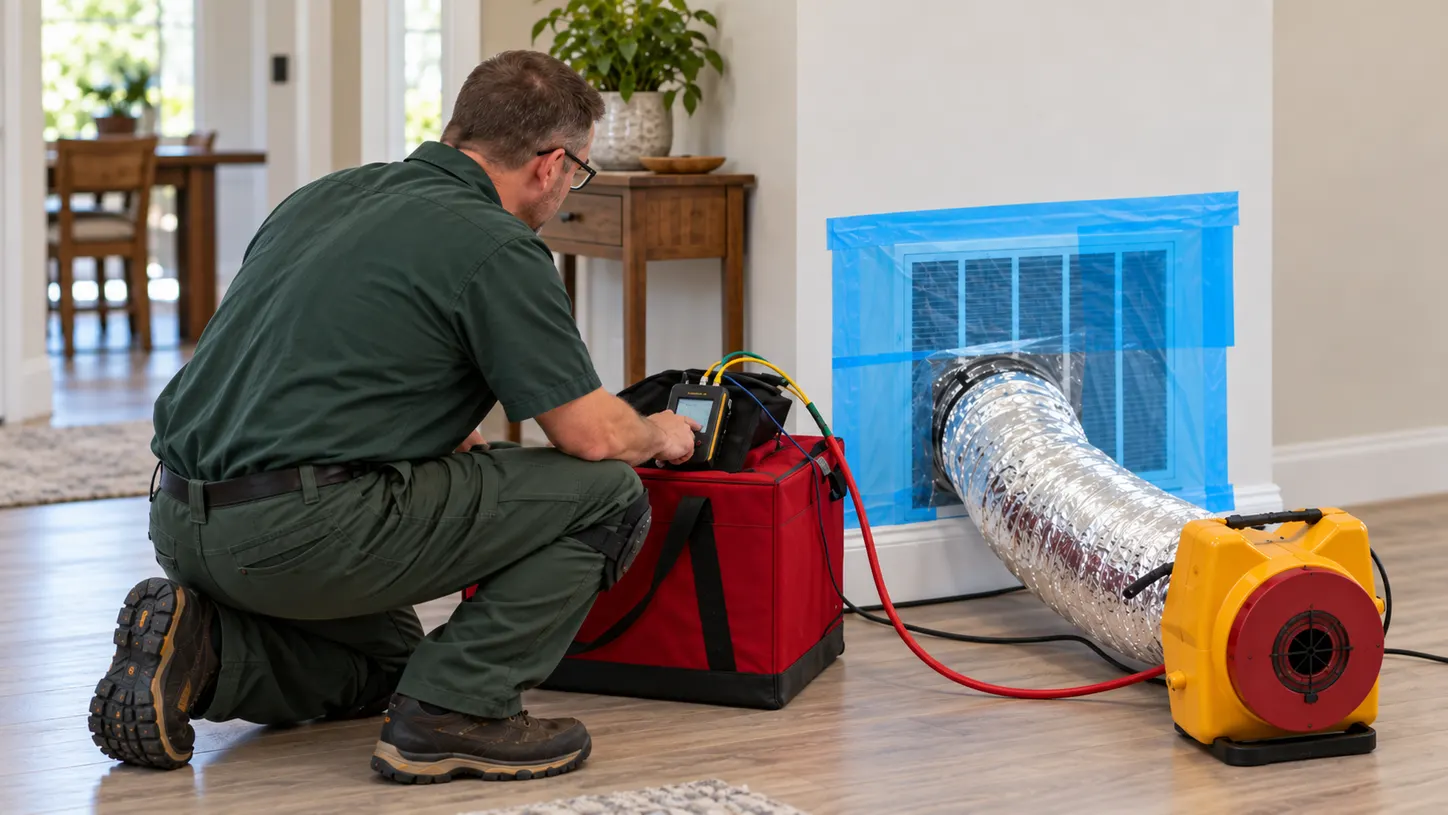
The assessment should move beyond symptoms. Accessible connections can be inspected for separation, damage, and failed seals. Airflow and pressure measurements may help evaluate the system.
A dedicated duct leakage test uses a calibrated fan and pressure measurements to evaluate how much air escapes under test conditions. Testing methods can distinguish total leakage from leakage to spaces outside the conditioned envelope.
A whole-system result does not necessarily identify every opening by itself. Locating repairs may require additional inspection and diagnostic work.
Ask what testing is appropriate for your complaint and what the results mean. Also ask which areas could not be accessed.
After repairs, verification should match the work performed. Depending on the scope, that may include checking repaired connections, room airflow, system operation, or repeating leakage measurements.
Does a Leak Need Sealing, Repair, or Replacement?
The answer depends on the opening and the surrounding material.
A suitable, sound joint may need proper sealing. A detached branch needs secure reconnection, appropriate sealing, and any necessary support correction. A torn liner or badly deteriorated section may need replacement.
Ordinary cloth duct tape is not a dependable long-term solution. Materials should suit the duct type and the repair requirements.
Likewise, sealing alone cannot straighten a crushed run or correct an unsuitable layout.
Ask for an estimate that identifies the affected locations, proposed materials, access needs, and verification. Find out whether the recommendation covers a local repair or a broader system problem.
Knowing that distinction helps you compare quotes and avoid paying for a larger project without a clear reason.
Questions Homeowners Ask About Leaking Air Ducts
Can my ducts leak even if the vents still blow air?
Yes. Air can reach a room while some escapes along the route. Normal-feeling airflow at one outlet also does not establish the condition of the entire network.
Will duct cleaning fix an air leak?
No. Cleaning and sealing address different conditions. If both are recommended, ask what buildup requires removal and what opening requires repair. Each task should have a clear purpose.
Does every leaking duct need replacing?
No. Sound connections and localized defects may be repairable. Replacement becomes more relevant when affected material cannot be restored properly or the installation has broader deterioration or design problems.
Can a smart thermostat detect duct leaks?
It may show longer runtime or changing temperature patterns, but those observations cannot confirm leakage. Weather, settings, and equipment problems can produce similar data. Inspection or appropriate testing is still needed.
Will a thermal camera show every leak?
No. Temperature patterns can help guide an investigation, but insulation, surfaces, operating conditions, and other heat-transfer effects influence the image. Thermal imaging alone is not a complete leakage measurement.
Why does the problem seem worse during hot weather?
Greater cooling demand can make delivery problems more noticeable. Ducts outside the conditioned space may also experience greater temperature differences. That pattern still needs investigation rather than an assumption that leakage is the only cause.
How much does fixing leaking ductwork cost?
Access, duct material, number of defects, and repair scope affect the price. Request an itemized estimate after the condition is assessed. A simple connection repair should not be compared directly with replacing several concealed runs.
Should I schedule cleaning before the leak inspection?
Explain the symptoms first. If the concern is lost air or a detached connection, start by discussing that condition. The provider can explain whether cleaning is also justified and how to coordinate the work.
Find Out Where Your Air Is Going
If several warning signs sound familiar, you do not have to choose between another cleaning appointment and full replacement on your own.
SoCal Green Air & Chimney provides duct repair services for homeowners in Tarzana, Los Angeles, and surrounding service areas. Share the rooms affected, when the trouble began, and any safely obtained photos.
Request an assessment of the suspected leak and an explanation of the recommended work. Ask how the result will be checked before approving the repair.
A useful plan connects your complaint to an actual finding, gives you a clear scope, and helps you spend money on the problem affecting your home.