Why Is My Chimney Leaking? 6 Common Causes (And How Each Is Fixed)
Learn the 6 most common reasons chimneys leak, including flashing failure, cracked crowns, damaged liners, and missing caps. Discover how each problem is professionally repaired.
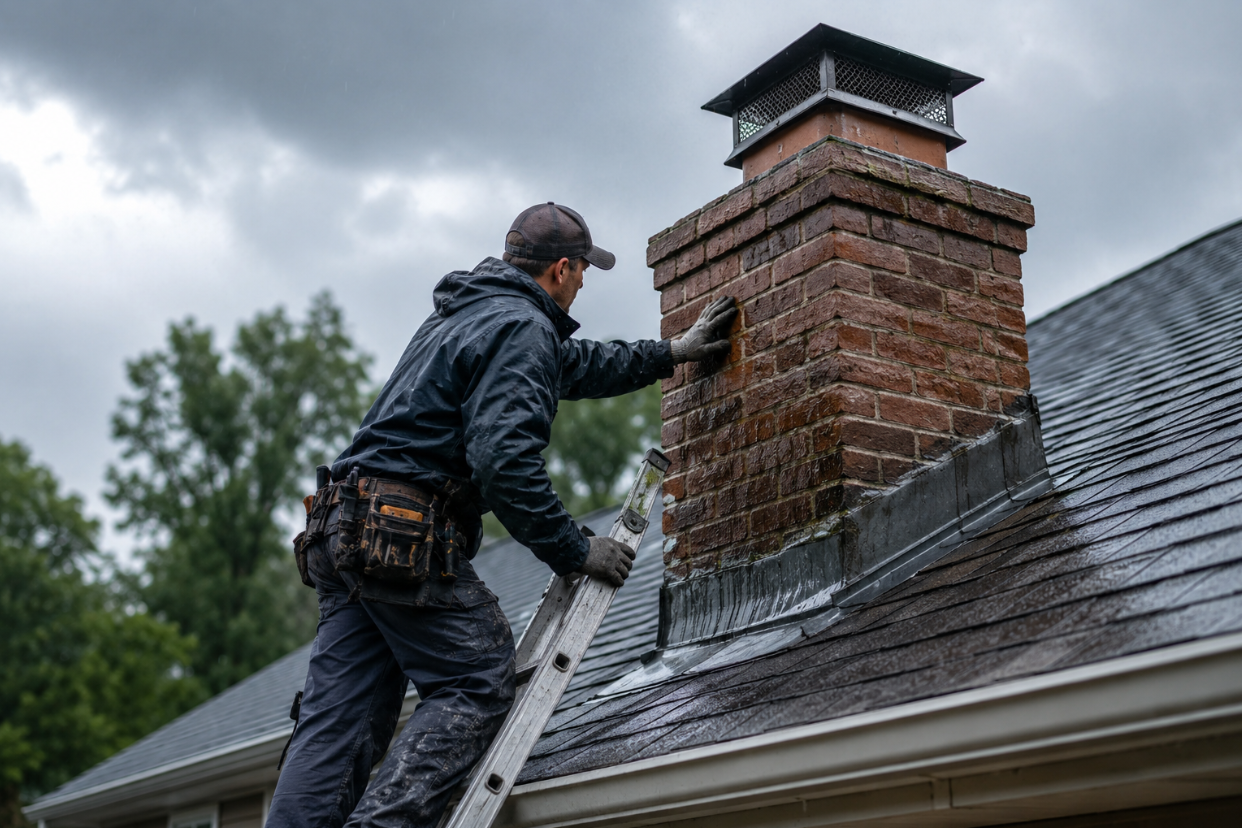
You notice a damp smell. A stain appears on your ceiling. You look up and realize your chimney is leaking.
This is one of the most common home repair problems. And it is one of the most misunderstood.
Most homeowners do not know why their chimney leaks. They only know the damage it causes. This guide breaks down the six most common causes. Each one has a clear fix.
What Causes a Chimney to Leak?
Chimneys face constant exposure to rain, wind, and temperature changes. Over time, every part of a chimney can fail. The leak can come from several different places and each one needs a different repair.
Here is what to look for.
Cause 1: Damaged Chimney Crown
What is it?
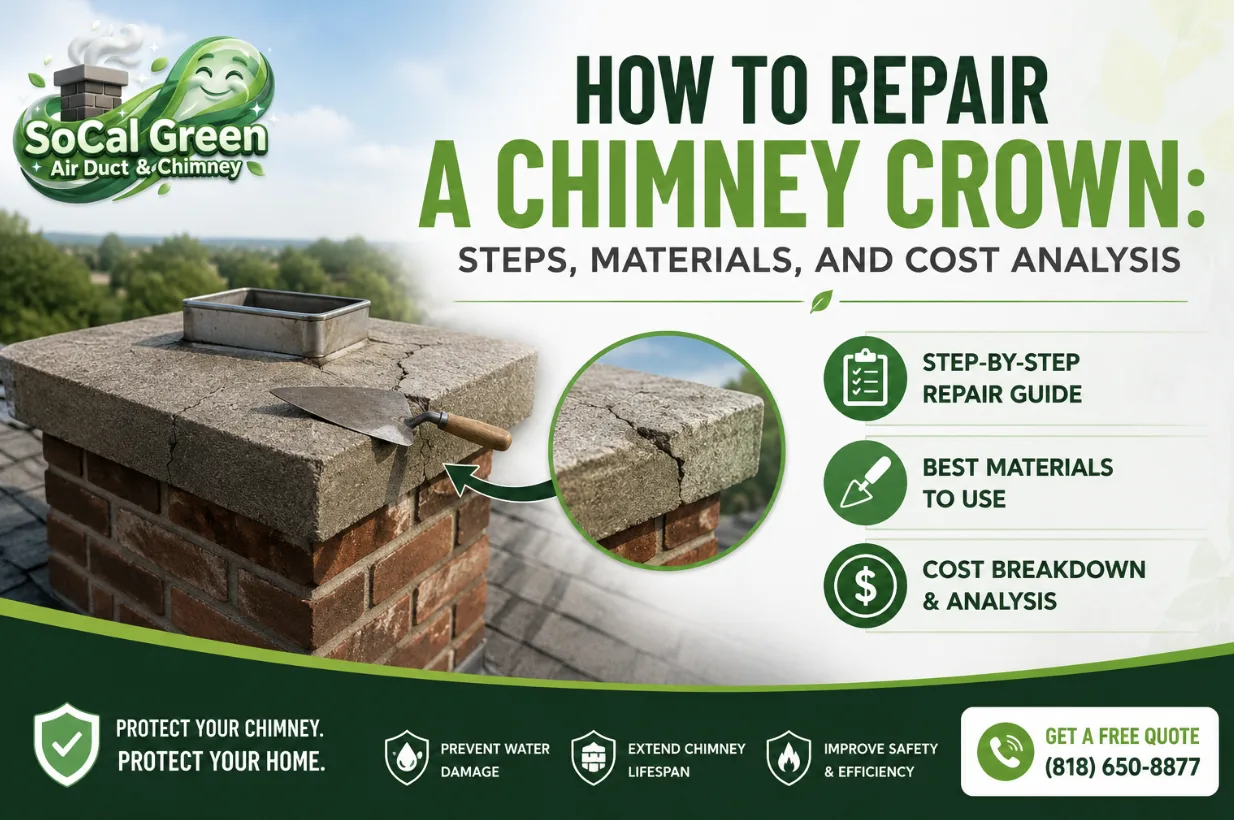
The chimney crown is the concrete cap that sits at the top of your chimney. It covers and protects the area between the flue and the chimney edge.
Why does it cause leaks?
Crowns crack over time. Rain gets inside those cracks. Water then runs down into the chimney structure. This is one of the most common reasons a chimney leaks when it rains.
How is it fixed?
Small cracks can be sealed with a crown coat sealant. Larger damage requires a full crown replacement. A professional will rebuild the crown using proper mortar mix and slope it so water runs off cleanly.
Cause 2: Flashing Failure
What is it?
Flashing is the metal strip that seals the joint between your chimney and your roof. It bridges two different materials and keeps water from entering the gap.
Why does it cause leaks?
Flashing pulls away from the chimney over time. It also rusts, bends, or separates at the seams. When this happens, your roof leaks around the chimney. You may notice water stains on the ceiling near the fireplace.
How is it fixed?
Old flashing is removed completely. New flashing is cut, shaped, and sealed into the chimney mortar joints using step flashing and counter flashing. This is not a DIY repair. Bad flashing installation leads to worse leaks.
Cause 3: Cracked or Deteriorating Chimney Liner
What is it?
The flue liner is the inner lining of your chimney. It channels smoke and gases out of your home. It also protects the chimney walls from heat and moisture.
Why does it cause leaks?
Liner cracks allow moisture to pass through the chimney walls. This is often why a chimney leaks black liquid, the moisture mixes with creosote deposits inside the flue. If your chimney is leaking creosote, a damaged liner is likely the cause.
How is it fixed?
Depending on the damage, a liner can be repaired with a heat-resistant sealant or replaced entirely. Stainless steel liner systems are a common and durable solution. A chimney sweep will inspect the liner with a camera before recommending a fix.
Cause 4: Eroded Mortar Joints
What is it?
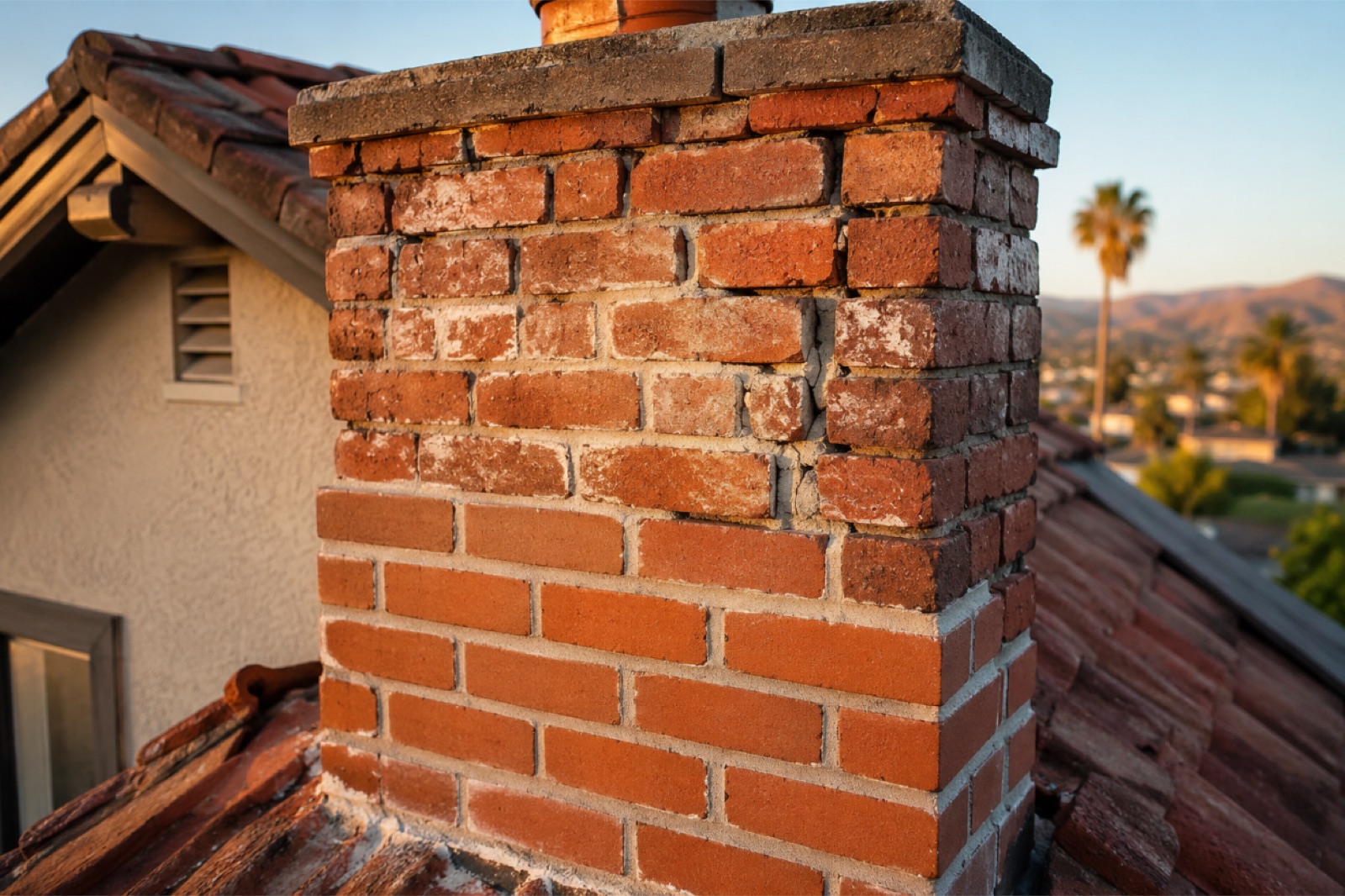
The mortar between your chimney bricks degrades over time. It is exposed to decades of freeze-thaw cycles. The mortar softens, cracks, and crumbles.
Why does it cause leaks?
Open mortar joints let water seep directly into the brick structure. This is a slow leak. But it causes serious damage over time, including water leaking inside your chimney walls and into your home.
How is it fixed?
The repair is called tuckpointing. Old mortar is removed and replaced with fresh mortar. This restores the watertight seal between the bricks. If brick damage is severe, partial or full chimney rebuilding may be needed.
Cause 5: Missing or Damaged Chimney Cap
What is it?
The chimney cap sits directly over the flue opening. It keeps rain from falling straight down into the chimney.
Why does it cause leaks?
If your chimney has no cap, or the cap is cracked, rusted, or missing, rain falls directly into the flue. This is the simplest answer to “why does my chimney leak when it rains.” Water hits the smoke shelf, soaks the liner, and drips into your firebox.
How is it fixed?
A stainless steel or copper chimney cap is installed over the flue. This is a quick fix. It also keeps animals and debris out of the chimney. If you do not have one, this should be the first thing you add.
Cause 6: Porous or Unsealed Brickwork
What is it?
Brick looks solid. But it is actually porous. Over time, brick absorbs water. This is especially true for older chimneys with no waterproofing treatment.
Why does it cause leaks?
Heavy rain saturates the brick. That water works its way through the chimney wall and into your home. This is why many homeowners notice their chimney leaking inside after a storm, even when the crown and flashing look fine.
How is it fixed?
A breathable waterproof sealant is applied to the exterior of the chimney. This allows moisture inside the brick to escape while blocking water from entering. The sealant needs reapplication every five to ten years.
Is a Chimney Leak Covered by Insurance?
Many homeowners ask: is my chimney leak covered by insurance?
The answer depends on the cause. Sudden damage (like storm impact) may be covered, while long-term wear and tear usually is not.
To support your claim, insurers often require a professional evaluation from a certified technician. This is why a proper chimney inspection is essential before filing a claim.
Take photos, document damage, and always confirm coverage with your provider.
How Do I Know If My Chimney Is Leaking?
Here are the most common signs:
- Water stains on the ceiling near your fireplace
- Damp smell inside your home after rain
- White staining on the outside of your chimney (called efflorescence)
- Rust on the damper or firebox
- Crumbling mortar or spalling bricks
- Black liquid or creosote running down the chimney wall
If you see any of these, do not wait. Water damage worsens fast.
How Do I Stop My Chimney from Leaking?
You cannot fix what you cannot identify. Start with a professional chimney inspection.
A certified technician will examine the cap, crown, flashing, liner, and brickwork. They will tell you exactly where the water is entering and what it will take to stop it.
At SoCal Green Air Duct & Chimney, we inspect chimneys and handle every type of chimney repair, from flashing replacement to full rebuilds. We serve homeowners across the region and stand behind every repair we make.
Do not let a small leak become a major problem. Contact us today to schedule your chimney inspection.